

Art Deco Jewelry: Interesting Facts You Should Know
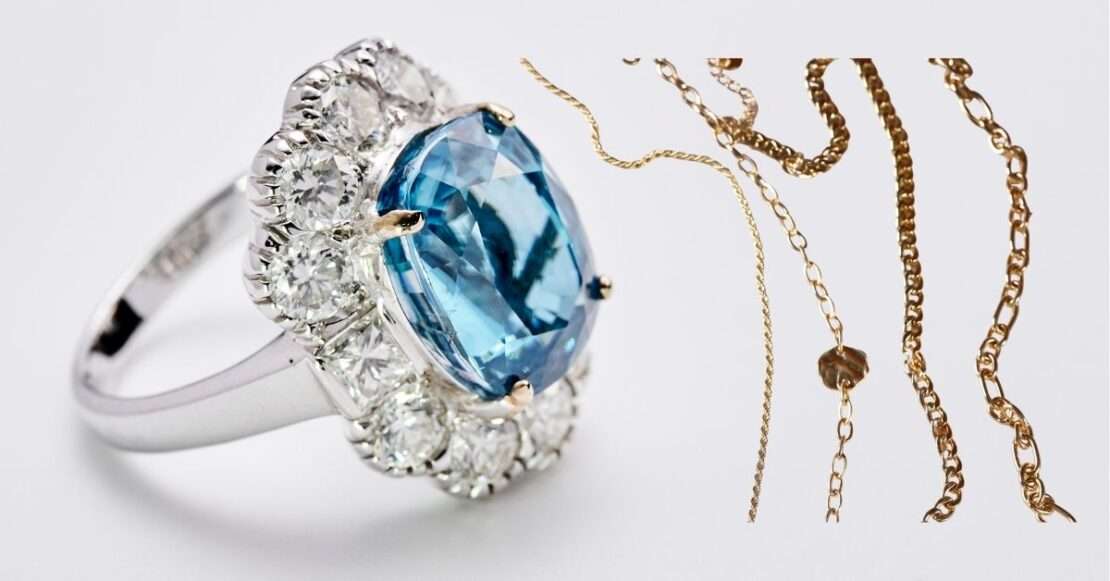
Have you inherited art deco jewelry and kept it safely in your storeroom? Are you curious about the historical story behind a 1920s–1930s piece? Or do you want to know what metals, gemstones, and other materials were used to make it?
If so, it’s time to contact an experienced antique jewelry appraiser online or near your area. A professional appraisal will help you understand the history, materials, condition, and potential value of your jewelry. You might even find an old piece you’ve been storing is much more precious than you thought.
Here are some of the important things you can learn during an appraisal session. Let’s take a look at the history and features of this beautiful Jazz Age jewelry.
What Do You Have in Your Vintage Art Deco Jewelry?
One of the first things an appraiser will look at is the materials used to make your vintage Art Deco jewelry. If you own an art deco engagement ring, necklace, bracelet or other piece of jewelry, knowing what metals and gems are in it can provide useful clues to its age and value.
Some pieces may be more sought after by collectors of antique jewelry because they may contain rare materials or possess intricate craftsmanship.
Common Materials and Features of Art Deco Jewelry
White metals: White gold, platinum, sterling silver, silver plated metal, nickel silver and other white base metals.
Other common features include:
Geometric Patterns and Shapes – The Art Deco period is known for its bold shapes, symmetry, and strong lines.
Filigree – Artistic work of fine (twisted) wire, generally of gold and silver.
Colorful Gemstones – Bright gemstones were often used to create an attractive contrast and a visually appealing look.
Enamel – Colorful enamel work may improve the beauty and character of period jewelry.
Those characteristics can help an appraiser determine the period of design and craftsmanship of a piece.
What Is the Origin of Your Antique Art Deco Jewelry?
A very important part of appraising art deco jewelry is learning the story of the piece.
An appraiser may try to determine when and where the jewelry was made. Registration marks, hallmarks and maker’s marks, weight, the type of metal used, design features and other details can be useful clues to its provenance.
For collectors, finding out the history of a piece can make it a lot more interesting, and can even affect its value.
What Is the Condition of Your 1920s Jewelry?
The condition of your 1920s jewelry can play a huge role in how desirable it is and what it might be worth.
An appraiser will be looking closely for scratches, missing stones, broken settings, repairs or other minor or major damage. Sometimes it’s little things that help you determine the current state of your antique or vintage ornament.
Collectors may prefer a well-preserved piece with all of its original features over a heavily repaired or altered one.
Is Your Art Deco Jewelry Real or Fake?
Authenticity is another important part of evaluating art deco jewelry. An experienced appraiser may look at hallmarks, jeweler or maker marks, labels and other identifying details to see if the jewelry looks real.
Gemstones may also be examined under magnification to check their color, clarity, inclusions, and other characteristics.
For example, if you own a pair of art deco earrings, professional examination can help determine whether the metals and stones are consistent with the claimed period and style.
Tip: Avoid relying only on appearance when trying to determine whether vintage jewelry is genuine. Professional examination can provide a much better understanding of the piece.
Why Is an Art Deco Jewelry Appraisal Important?
Finding an old piece of jewelry can be exciting, but judging its value by its appearance can be misleading. Two similar pieces can vary greatly in value depending on the maker, the materials used, the condition, the age, rarity or history.
Before you decide to sell, insure, restore, or keep the piece as part of your collection, a professional art deco jewelry appraisal will be able to tell you what you really have in your possession.
What Can You Learn From an Appraisal?
Appraisal can help you to discover:
The approximate age and provenance of the jewelry
Second-Hand Metals and Gems
Maker/Hallmark information
The state of the piece
If the jewelry looks real
Important historic and design details
Market value factors that may influence it
Where to find the best antique jewelry appraisal?
We are a licensed jewelry buyer store that offers appraisals for antique, vintage, and estate jewelry. Our experts have experience inspecting jewelry and can help you understand the factors that could impact its value.
Whether you are nearby or anywhere in Florida, you can get professional help with antique jewelry appraisals online or in person, making it easier to get help.
Don’t forget that old piece of art deco jewelry lying around your house, it could have some history or value. Contact us to find out more about your jewelry and check out our other resources on antique and vintage pieces.
Frequently Asked Questions
What is Art Deco Jewelry?
Art Deco jewelry refers to jewelry associated with the Art Deco period, particularly the 1920s and 1930s. It is often defined by its geometric shapes, bold patterns, intricate metalwork and colorful gemstones.
How To Tell If Your Art Deco Jewelry Is Real?
Hallmarks, maker’s marks, materials, construction, gemstones and design details can all provide clues. If authenticity is a concern, a professional appraisal is recommended.
Is art deco jewelry worth anything?
“It might be. Age. Maker. Materials. Gemstones. Rarity. Condition. Authenticity. Background.
Are Art Deco engagement rings popular?
Yes. Art Deco engagement rings are popular among collectors and those seeking unique vintage jewelry for their geometric patterns, intricate details and vintage appeal.
Should I get my vintage Art Deco jewelry appraised?
If you want to know more about its authenticity, history, materials, condition or potential value, a professional appraisal can be very helpful.
Conclusion
Art deco jewelry is more than an attractive piece of vintage fashion. Its design, materials, craftsmanship, age, condition, and history can all tell an important story. If you have inherited an old ring, bracelet, necklace, or pair of earrings, don’t simply leave it forgotten in a drawer or storeroom.
A professional appraisal can tell you what the piece is made of, where it may have originated from, whether it appears to be authentic and what may affect its value. Whether it’s antique art deco jewelry or a family heirloom from the 1920s-1930s, having it properly examined can help you make a more informed decision about its future.