
Art Deco Jewelry: Interesting Facts You Should Know
Have you inherited art deco jewelry and kept it safely in your storeroom? Are you curious about the historical story behind a 1920s–1930s piece? Or do you want to know what metals, gemstones, and other materials were used to make it?
If so, it’s time to contact an experienced antique jewelry appraiser online or near your area. A professional appraisal will help you understand the history, materials, condition, and potential value of your jewelry. You might even find an old piece you’ve been storing is much more precious than you thought.
Here are some of the important things you can learn during an appraisal session. Let’s take a look at the history and features of this beautiful Jazz Age jewelry.
What Do You Have in Your Vintage Art Deco Jewelry?
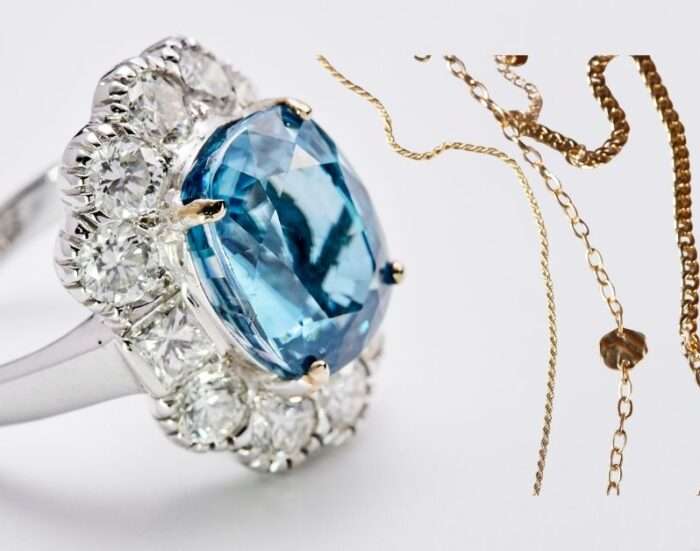
One of the first things an appraiser will look at is the materials used to make your vintage Art Deco jewelry. If you own an art deco engagement ring, necklace, bracelet or other piece of jewelry, knowing what metals and gems are in it can provide useful clues to its age and value.
Some pieces may be more sought after by collectors of antique jewelry because they may contain rare materials or possess intricate craftsmanship.
Common Materials and Features of Art Deco Jewelry
White metals: White gold, platinum, sterling silver, silver plated metal, nickel silver and other white base metals.
Other common features include:
Geometric Patterns and Shapes – The Art Deco period is known for its bold shapes, symmetry, and strong lines.
Filigree – Artistic work of fine (twisted) wire, generally of gold and silver.
Colorful Gemstones – Bright gemstones were often used to create an attractive contrast and a visually appealing look.
Enamel – Colorful enamel work may improve the beauty and character of period jewelry.
Those characteristics can help an appraiser determine the period of design and craftsmanship of a piece.
What Is the Origin of Your Antique Art Deco Jewelry?
A very important part of appraising art deco jewelry is learning the story of the piece.
An appraiser may try to determine when and where the jewelry was made. Registration marks, hallmarks and maker’s marks, weight, the type of metal used, design features and other details can be useful clues to its provenance.
For collectors, finding out the history of a piece can make it a lot more interesting, and can even affect its value.
What Is the Condition of Your 1920s Jewelry?
The condition of your 1920s jewelry can play a huge role in how desirable it is and what it might be worth.
An appraiser will be looking closely for scratches, missing stones, broken settings, repairs or other minor or major damage. Sometimes it’s little things that help you determine the current state of your antique or vintage ornament.
Collectors may prefer a well-preserved piece with all of its original features over a heavily repaired or altered one.
Is Your Art Deco Jewelry Real or Fake?
Authenticity is another important part of evaluating art deco jewelry. An experienced appraiser may look at hallmarks, jeweler or maker marks, labels and other identifying details to see if the jewelry looks real.
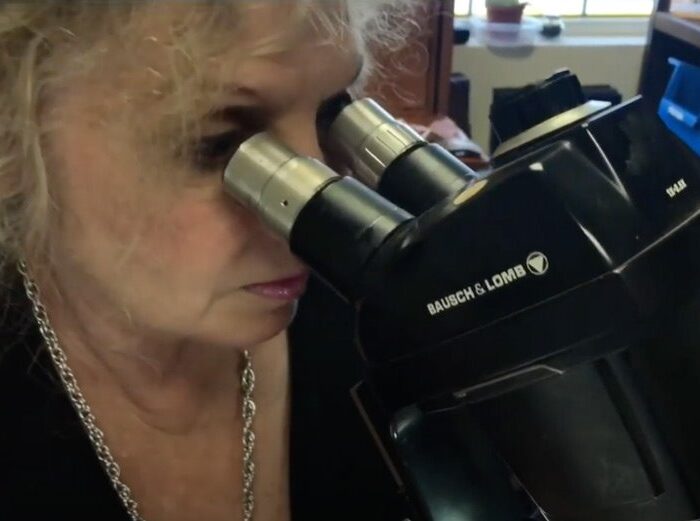
Gemstones may also be examined under magnification to check their color, clarity, inclusions, and other characteristics.
For example, if you own a pair of art deco earrings, professional examination can help determine whether the metals and stones are consistent with the claimed period and style.
Tip: Avoid relying only on appearance when trying to determine whether vintage jewelry is genuine. Professional examination can provide a much better understanding of the piece.
Why Is an Art Deco Jewelry Appraisal Important?
Finding an old piece of jewelry can be exciting, but judging its value by its appearance can be misleading. Two similar pieces can vary greatly in value depending on the maker, the materials used, the condition, the age, rarity or history.
Before you decide to sell, insure, restore, or keep the piece as part of your collection, a professional art deco jewelry appraisal will be able to tell you what you really have in your possession.
What Can You Learn From an Appraisal?
Appraisal can help you to discover:
The approximate age and provenance of the jewelry
Second-Hand Metals and Gems
Maker/Hallmark information
The state of the piece
If the jewelry looks real
Important historic and design details
Market value factors that may influence it
Where to find the best antique jewelry appraisal?
We are a licensed jewelry buyer store that offers appraisals for antique, vintage, and estate jewelry. Our experts have experience inspecting jewelry and can help you understand the factors that could impact its value.
Whether you are nearby or anywhere in Florida, you can get professional help with antique jewelry appraisals online or in person, making it easier to get help.
Don’t forget that old piece of art deco jewelry lying around your house, it could have some history or value. Contact us to find out more about your jewelry and check out our other resources on antique and vintage pieces.
Frequently Asked Questions
What is Art Deco Jewelry?
Art Deco jewelry refers to jewelry associated with the Art Deco period, particularly the 1920s and 1930s. It is often defined by its geometric shapes, bold patterns, intricate metalwork and colorful gemstones.
How To Tell If Your Art Deco Jewelry Is Real?
Hallmarks, maker’s marks, materials, construction, gemstones and design details can all provide clues. If authenticity is a concern, a professional appraisal is recommended.
Is art deco jewelry worth anything?
“It might be. Age. Maker. Materials. Gemstones. Rarity. Condition. Authenticity. Background.
Are Art Deco engagement rings popular?
Yes. Art Deco engagement rings are popular among collectors and those seeking unique vintage jewelry for their geometric patterns, intricate details and vintage appeal.
Should I get my vintage Art Deco jewelry appraised?
If you want to know more about its authenticity, history, materials, condition or potential value, a professional appraisal can be very helpful.
Conclusion
Art deco jewelry is more than an attractive piece of vintage fashion. Its design, materials, craftsmanship, age, condition, and history can all tell an important story. If you have inherited an old ring, bracelet, necklace, or pair of earrings, don’t simply leave it forgotten in a drawer or storeroom.
A professional appraisal can tell you what the piece is made of, where it may have originated from, whether it appears to be authentic and what may affect its value. Whether it’s antique art deco jewelry or a family heirloom from the 1920s-1930s, having it properly examined can help you make a more informed decision about its future.

Engraving and Etching Techniques from Jewelry Experts
Engraving and etching are two popular techniques used in jewelry making. Both can turn a simple piece of metal into a beautiful work of art. While these methods may look similar, they are done differently.
Learn about engraving and etching to see how jewelry owners, collectors, and buyers get designs added to jewelry. Workshops offer help to beginners from jewelry experts and guidance on the correct tools, materials and methods.
As a non-expert, it can be difficult to tell the difference between engraving and etching. However, understanding how each technique works makes it easier to see the difference and appreciate the skill involved.
What Is Engraving?
Engraving is the act of cutting a design, image, pattern or text into a hard surface. In jewelry, this is usually done on metals to create decorative or personal designs.
The skilled engraver removes part of the surface of the metal with a cutting tool. The design can be simple, such as a name or date, or more detailed, such as flowers, patterns or other artwork.
How Does Jewelry Engraving Work?
Jewelry engraving is often done the old-fashioned way, by hand. Then the engraver cuts the metal with a fine tool to produce the desired design. If you want a more even or repeated design, you can also use machine engraving.
The quality of the final design depends on the skill of the person doing the work, the tools used, and the type of metal.
What Is Laser Engraving?
With modern technology, laser engraving jewelry has become another popular option. A laser heats the metal surface and forms small cavities that make the design or text visible.
Laser engraving can create detailed names, numbers, patterns, and other designs on jewelry and silverware.
What Is Etching?
Etching is another old technique for applying designs or markings to metal. Etching is a different process from engraving, not based primarily on cutting the metal with a tool.
In traditional etching, parts of the metal are coated with an acid-resistant material, such as wax. The design is then drawn on the surface and acid applied. The acid reacts with the exposed areas to produce the desired mark.
Such traditwork shows the long history and skill of making jewelry.ional
What Is Laser Etching?
Laser etching is a process that uses a laser beam to etch or engrave a surface. The laser beam is focused onto the surface, where it vaporizes a small amount of material, creating a permanent mark or design.
This process can be used on a variety of materials, including metal, plastic, glass, and wood, and is commonly used for marking parts, creating logos or designs, and engraving personal items such as jewelry or trophies.
Today’s laser-etched jewelry is made by marking the surface of the metal with lasers. The laser doesn’t go all the way through the metal, it changes or removes a very thin portion of the surface to make the design.
If you want a detailed mark without cutting deep into the jewelry, this technique can be useful.
Engraving vs Etching: What’s the Difference?
The difference between engraving and etching is primarily in the method of creating the design.Engraving is a physical process. A cutting tool takes off part of the surface to make a design. Etching is a traditional chemical process, using acid to place a mark on a surface.
In simple words:
- Engraving: Cutting the surface with a tool.
- Etching: The surface is marked by a chemical process.
- Laser engraving: The laser burns away material to create a deeper mark.
- Laser etching: A laser makes a shallow mark on the surface.
Importance of Engraving & Etching in Jewelry
Both techniques allow the jeweler to add character and personality to a piece. Jewelry can be made more personal and meaningful by adding names, dates, symbols, patterns and other designs.
These details can also be useful information for collectors and buyers of a piece. A design, name, date or a maker’s mark might give clues to the history of a piece to an expert.
A professional jewelry appraisal can give you more information on the age, design, materials, or possible value of an engraved or etched piece.
Traditional and Modern Techniques
The jewelry industry still employs both traditional and modern methods. The hand engraving and traditional acid etching require lots of care and experience but with the laser technology skilled workers are able to make accurate and detailed marks.
Why New Technology Is Useful?
Modern engraving and etching techniques can make the process faster and more accurate. Laser technology can also create small and intricate designs that may be difficult to make by hand.
Traditional methods are however still very important as they show the skill and craft behind older and antique jewelry.
Frequently Asked Questions
Is etching the same as engraving?
No. Engraving is usually cutting into the material with a tool, and traditional etching is a chemical process to make a mark on the surface.
Which lasts longer engraving or etching?
Engraving tends to be more permanent because the design is usually cut deeper into the material. However, the life of either design is a function of the material, depth, and wear.
Yes, you can use lasers for etching as well as engraving.
Yes. Lasers can be used for both engraving and etching. The main difference is how deep the laser penetrates the material and how it produces the final mark.
Does engraving and etching add value to jewelry?
They can bring beauty, meaning, or interest to a piece, but they don’t necessarily add value to it. Jewelry value can depend on many factors such as age, maker, material, condition, rarity, design and history.
Do I need to have my engraved or etched jewelry appraised?
If you have an antique, vintage or valuable item, a professional appraisal can help you better understand the materials, age, condition and possible value. Also you can use it to see if an engraving or etched design is original to the piece.
Understanding the Value of Engraving and Etching
According to jewelry experts, engraving and etching can serve similar purposes, but the material, durability, design, and method can be different. Both traditional skills and modern technology have an important place in the jewelry industry.
With new tools, jewelry makers can make even more detailed and personal designs. Traditional engraving and etching still have their place, because they show the skill and history of the jewelry craftsman.
Understanding these techniques can help buyers, collectors, and jewelry owners better appreciate the work behind each unique piece.
For more details, visit our website: https://antiquejewelrybuyers.org/
How to Find the Best Jewelry Appraisal Services Near You?
If you have jewelry that you want to sell, insure, or inherit, you may need to have it appraised by a professional. A jewelry appraisal is a document that states the value and quality of your jewelry based on an expert’s examination. However, finding reliable Jewelry Appraisal Services can be challenging, especially when you have different jewelry types that may require different appraisal standards.
Choosing the wrong appraiser could leave you with an inaccurate value or a report that does not meet your needs. The good news is that knowing what to look for can make the process much easier.
What Is a Jewelry Appraisal and Why Do You Need One?
A jewelry appraisal is a written report describing the jewelry’s characteristics and condition, such as the metal, gemstones, design, and craftsmanship. It also provides an estimate of the jewelry’s value based on its purpose, current market conditions, and comparable sales.
A professional appraisal can be useful for several reasons:
Jewelry Appraisal for Insurance
If you want to protect your jewelry from loss, theft, or damage, you may need a Jewelry Appraisal for Insurance purposes. The appraisal typically establishes a replacement value, which represents the estimated cost of replacing your jewelry with a similar item of comparable quality and style.
Because jewelry prices can change over time, it is a good idea to review your insurance appraisal periodically and update it when necessary.
Jewelry Appraisal for Selling
If you want to sell jewelry, getting a Jewelry Appraisal for Selling can help you understand its potential fair market value. This is generally the price a willing buyer and willing seller might agree upon in an open and competitive market.
Understanding the value before approaching buyers can give you a better starting point and help you avoid accepting an offer without knowing what your jewelry may be worth.
Estate Jewelry Appraisal
If you inherit jewelry from a deceased relative or friend, an Estate Jewelry Appraisal may be needed for estate settlement or probate purposes. The value may be based on the appropriate valuation date and could be different from the jewelry’s current market value.
Because estate valuations can have legal and tax implications, it is important to work with an experienced professional.
How to Choose a Jewelry Appraiser Near You
Not all jewelry appraisers have the same experience or qualifications. If you are searching for Jewelry Appraisal Near Me or a Jewelry Appraiser Near Me, take some time to check the professional’s background before handing over valuable pieces.
A qualified appraiser should have the following:
Education and Training
A jewelry appraiser should have formal education and training in gemology, the science of identifying and evaluating gemstones. Look for professionals with recognized gemological education, such as training through the Gemological Institute of America (GIA).
A knowledgeable appraiser should also understand jewelry history, styles, manufacturing techniques, gemstones, precious metals, and current market conditions.
Experience and Specialization
Experience matters, particularly when you own a unique, old, or valuable piece. For example, if you have antique or vintage jewelry, look for an appraiser with experience in Antique Jewelry Appraisal and historical jewelry.
Likewise, an appraiser familiar with estate jewelry may better understand the requirements involved in estate and probate valuations.
Certification and Accreditation
When looking for a Professional Jewelry Appraisal, check whether the appraiser belongs to a recognized professional organization. Organizations such as the American Society of Appraisers (ASA), Appraisers Association of America, and International Society of Appraisers (ISA) provide professional resources and standards for appraisers.
Membership, education, and experience can help you identify an appraiser who takes professional standards seriously.
Reputation and References
A reputable appraiser should have positive feedback and a professional reputation. Check online reviews and testimonials, and ask for references when appropriate.
You can also ask friends, family members, or other jewelry owners about their experiences. However, don’t rely on recommendations alone. Take time to verify the appraiser’s qualifications and experience before making your decision.
Local Jewelry Store
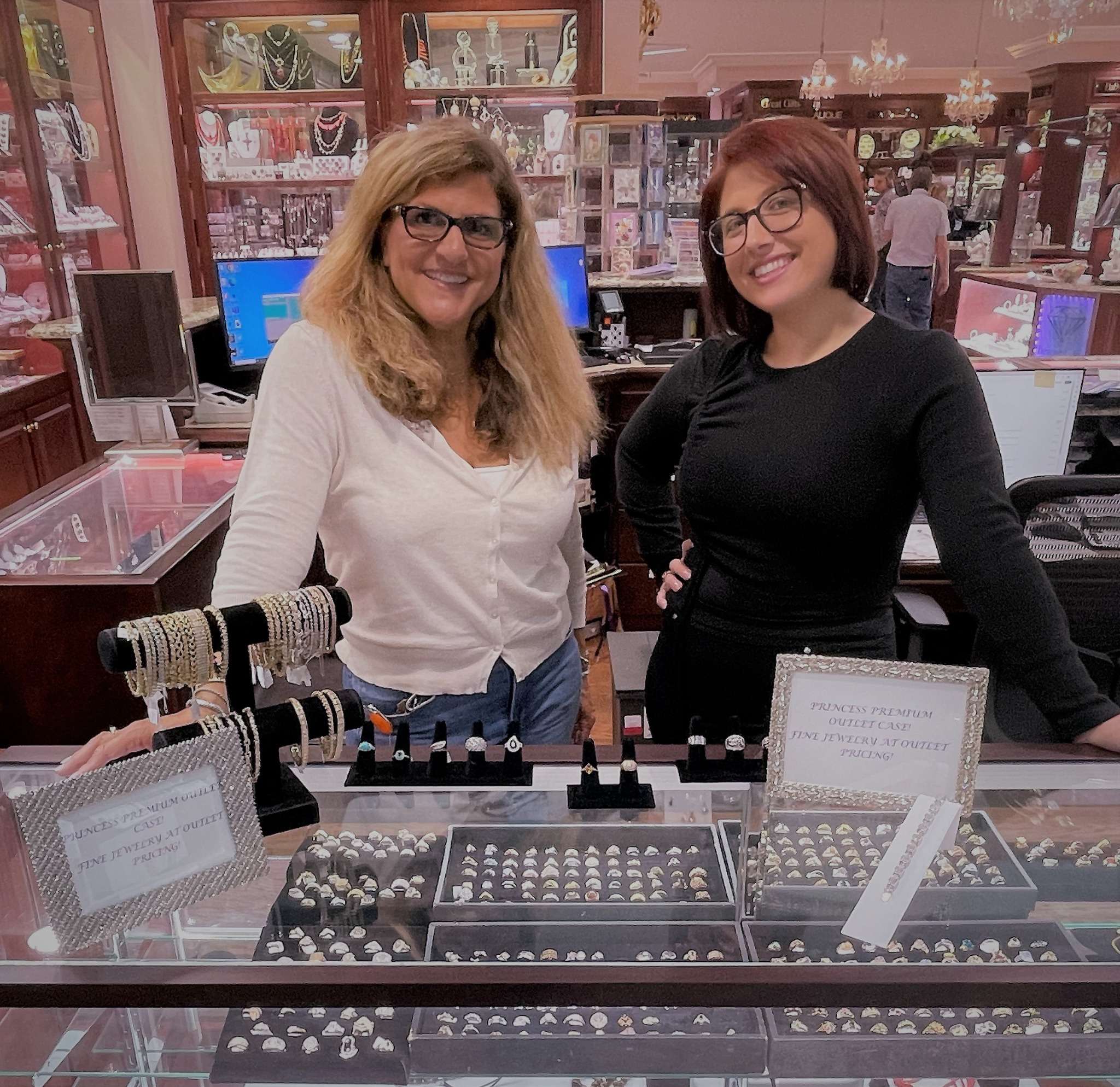
You can visit a local jewelry store and ask whether it provides appraisal services. Some stores have in-house appraisers, while others work with independent professionals.
However, be aware of potential conflicts of interest. A business that also wants to buy your jewelry may have a different interest from an independent appraiser. Always check the credentials and reputation of the appraiser before proceeding.
How to Prepare for a Jewelry Appraisal
Once you find the right professional, a little preparation can make your appointment more useful.
Clean Your Jewelry Carefully
You can gently clean your jewelry with a soft cloth, warm water, and mild soap if appropriate. A soft-bristled toothbrush may help remove dirt from small areas.
Avoid harsh chemicals, abrasives, or ultrasonic cleaners unless you know they are safe for your specific jewelry. Some gemstones and older jewelry can be damaged by improper cleaning.
Gather Your Jewelry Documents
Bring any documents related to your jewelry, including receipts, certificates, warranties, previous appraisals, and gemstone grading reports.
These records may help the appraiser understand the jewelry’s history, authenticity, quality, and previous valuation. However, the appraiser should still examine the actual piece rather than relying only on paperwork.
Know Your Purpose
Before your appointment, be clear about why you need the appraisal. Are you looking for an insurance value, fair market value for selling, or an estate valuation?
Different purposes may require different types of values and reports. You should also ask about the report format and appraisal fees before the appointment.
How to Get the Most Out of Your Jewelry Appraisal
After receiving your appraisal report, don’t simply put it away and forget about it. Take time to review it carefully.
Review Your Appraisal Report
Check that the report accurately describes your jewelry, including its materials, gemstones, condition, design, quality, and stated value.
Also check the appraiser’s credentials, the date of the appraisal, the purpose of the appraisal, and any other important details. If something is unclear, ask the appraiser for an explanation or correction.
Use Your Report for Its Intended Purpose
If the appraisal was prepared for insurance, provide a copy to your insurance company and discuss whether your coverage should be updated.
If you obtained the appraisal for selling, you can use the information to better understand your jewelry before speaking with potential buyers.
For inherited jewelry, provide the appropriate documentation to your attorney, executor, or tax professional and follow the applicable estate procedures.
Frequently Asked Questions
How often should jewelry be appraised?
The timing depends on why you need the appraisal and how much jewelry values have changed. Insurance appraisals may need periodic updates to reflect changing replacement costs.
Should I get an appraisal before selling my jewelry?
A Jewelry Appraisal for Selling can help you understand the characteristics and potential market value of your jewelry before discussing offers with buyers.
Can an appraiser value antique jewelry?
Yes. However, for valuable or historically significant pieces, it is best to choose someone with specific experience in Antique Jewelry Appraisal.
Conclusion
Finding reliable Jewelry Appraisal Services can feel difficult when you don’t know what qualifications to look for. But taking the time to research an appraiser’s education, experience, professional credentials, and reputation can help you make a more informed choice.
Whether you need a Jewelry Appraisal Near Me for insurance, selling, inheritance, or another purpose, the right professional can provide useful information about your jewelry’s characteristics and value. With a proper appraisal in hand, you can move forward with greater confidence and make better decisions about your valuable jewelry.