
Gemstone Jewelry: How to Choose, Care for, and Understand Its Value
A sapphire ring, an emerald pendant, or a garnet brooch might be kept for completely different reasons: you could be drawn to the colour, admire the craftsmanship, or wish to find out how much a family heirloom would sell for.
It is useful beforehand to get a good understanding of the stone, its setting, and its condition if you are going to add gemstone jewellery to your collection or have a piece assessed. A well-known name for the gemstone or a high carat weight gives only part of the answer.
What Is Gemstone Jewelry?
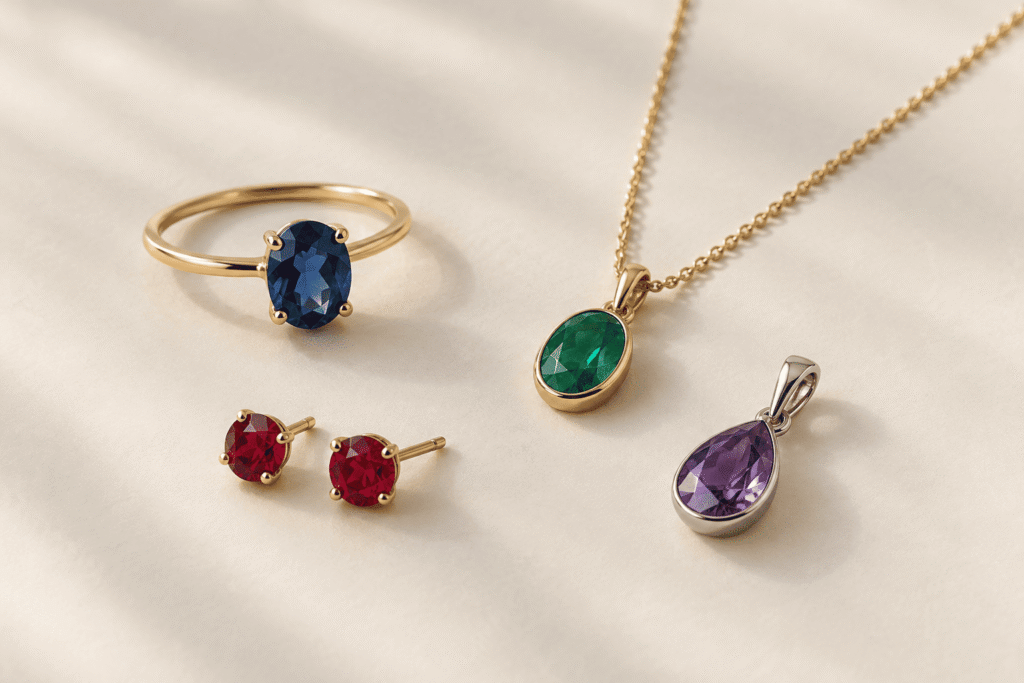
Gemstone jewelry includes pieces decorated with gems, whether set in gold, silver, or platinum; strung as beads; or carved into ornaments.
Rings, necklaces, pendants, bracelets, and earrings are typical examples, and gemstones can be found in antique brooches and pins as well.
Gemstone jewellery can be classified as fine jewellery. The two terms are not opposite categories; a ruby set in a well-made gold ring is an example of jewellery that belongs to both the gemstone jewellery and the fine jewellery categories.
Popular Gemstones Used in Jewelry
Start with the colors and designs you enjoy, then consider how you will wear the piece.
| Gemstone | What to consider |
| Ruby | A red gemstone often chosen for rings and statement pieces |
| Sapphire | Available in blue and other colors; a practical option for frequent wear |
| Emerald | Valued for its green color, but needs care around impacts and some cleaning methods |
| Diamond | Highly resistant to scratching, although it can still chip |
| Amethyst and garnet | Offer colorful alternatives across a range of jewelry styles |
| Opal | Known for its play of color; requires careful handling and stone-specific care |
Ruby and sapphire are not very resistant to scratching. Although emeralds also have a relatively high hardness, they may require more careful handling. The hardness of a stone by itself doesn’t indicate how easily it can chip, fracture, or react to heat and chemicals.
What Do “Precious” and “Semi-Precious” Mean?
Diamond, ruby, sapphire, and emerald are generally referred to as precious gemstones, while many other gems are called semi-precious.
Those labels do not constitute quality ratings or reliable indicators of price. What is more important than the category printed next to a stone’s name are the stone’s individual characteristics, including its quality, rarity, and condition.
Natural, Laboratory-Grown, and Imitation Gemstones
Ask what the stone actually is before comparing prices.
- Natural gemstones form in nature.
- Laboratory-grown gemstones are made by people and share essentially the same chemical and physical characteristics as their natural counterparts.
- Imitation gemstones resemble another gem but are made from different materials. For example, glass can imitate the appearance of a colored stone.
A laboratory-produced sapphire and a glass imitation of a sapphire are thus different products, and it is necessary to clearly describe both their origin and material, since appearance alone is not sufficient to establish their identity.
How to Choose Gemstone Jewelry for Your Collection
It is possible to enjoy gemstone jewellery without having a large collection; simply choose a piece that matches your taste, your budget, and your daily routine.
Color can guide your choice, but comfort, construction, and care requirements deserve attention too. Personal symbolism or a family connection can make a piece meaningful without creating a guaranteed financial return.
Match the Stone and Setting to How You Wear It
Rings and bracelets are more likely to be knocked about than earrings and pendants, so think about whether you will wear the item every day or only on special occasions.
Make sure the setting holds the stone securely; on older jewellery examine the prongs for wear, look for loose stones, damaged clasps, and any previous repairs. If you have any concerns, get them checked before you wear the piece regularly.
Ask About Treatments and Documentation
Gemstones can be treated in order to improve their colour or clarity. Although this does not mean that the stone becomes unsuitable, the treatment may have an impact on its value and on the way it should be looked after.
Ask whether treatments are known, whether a laboratory report is available, and whether the stone needs special cleaning precautions. Heating and clarity enhancement are examples of treatments that may be identified during laboratory examination.
If you are making a purchase that is more expensive, you should ask a qualified professional if an independent report would be of use. Although it is not necessary for every item that is only modestly priced to have further laboratory tests carried out.
What Determines Gemstone Jewelry’s Value?
There is no reliable price formula that depends solely on the name of the gemstone and its weight.
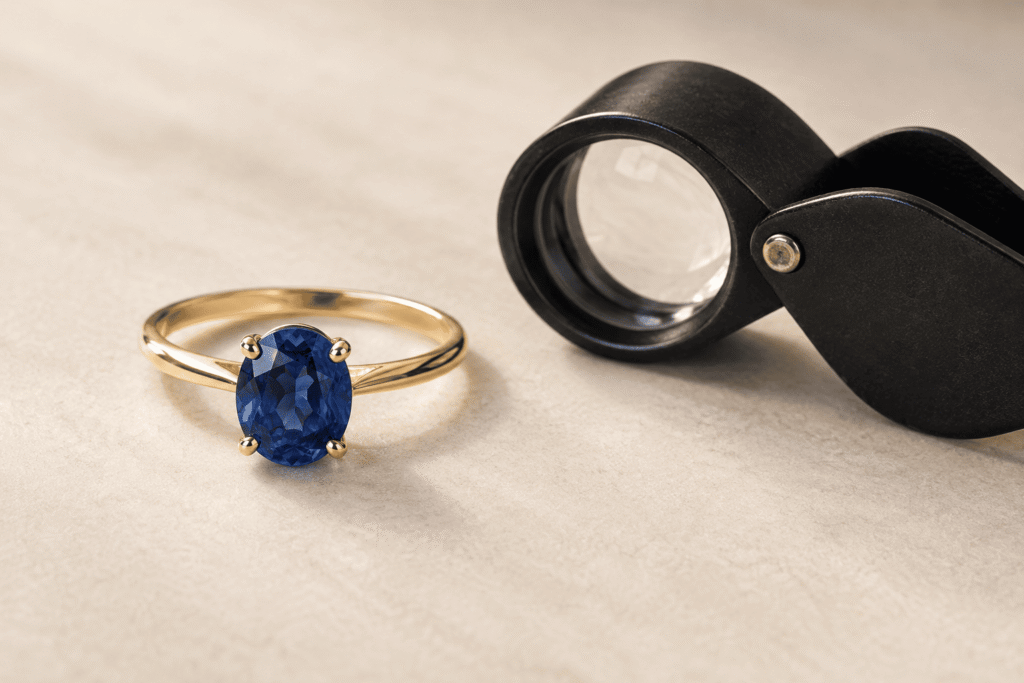
For colored gemstones, important quality factors include color, clarity, size, and cutting quality. Two stones with the same carat weight can look and be worth very different amounts.
An evaluation may also consider:
- Whether the stone is natural, laboratory-grown, or an imitation.
- Known treatments and supporting reports.
- The metal’s purity and weight.
- Artistry and condition.
- The market in which the piece would be sold.
More metal does not automatically make one finished piece worth more than another. A well-made, collectible jewel may be evaluated differently from jewelry purchased mainly for its material content.
What Matters in Antique and Estate Pieces?
With older jewelry, the setting and history deserve as much attention as the stone. Maker’s marks, design, repairs, alterations, and supporting documents may help explain a piece’s significance.
Retain the receipts, past appraisals, laboratory reports, and any reliable family history, take photographs of the marks rather than rubbing them out, and get advice before making any changes to an item that you intend to sell.
Our guide to jewelry markings explains common clues found on gold, silver, and platinum jewelry.
Appraisal, Laboratory Report, or Purchase Offer?
These documents serve different purposes.
A laboratory report identifies or describes a gemstone and may disclose detectable treatments. It does not necessarily assign a monetary value.
An appraisal provides a valuation for a stated purpose and date. Ask what kind of value the report addresses and whether it meets your intended use.
A purchase offer states what a buyer is willing to pay. It should not be assumed to equal an insurance replacement valuation.
For instance, GIA issues reports on gemstones but does not assess the financial value of jewellery.
Learn more about our jewelry appraisal services and explain whether you need help with selling, identification, or a written valuation.
How To Care for Gemstone Jewelry
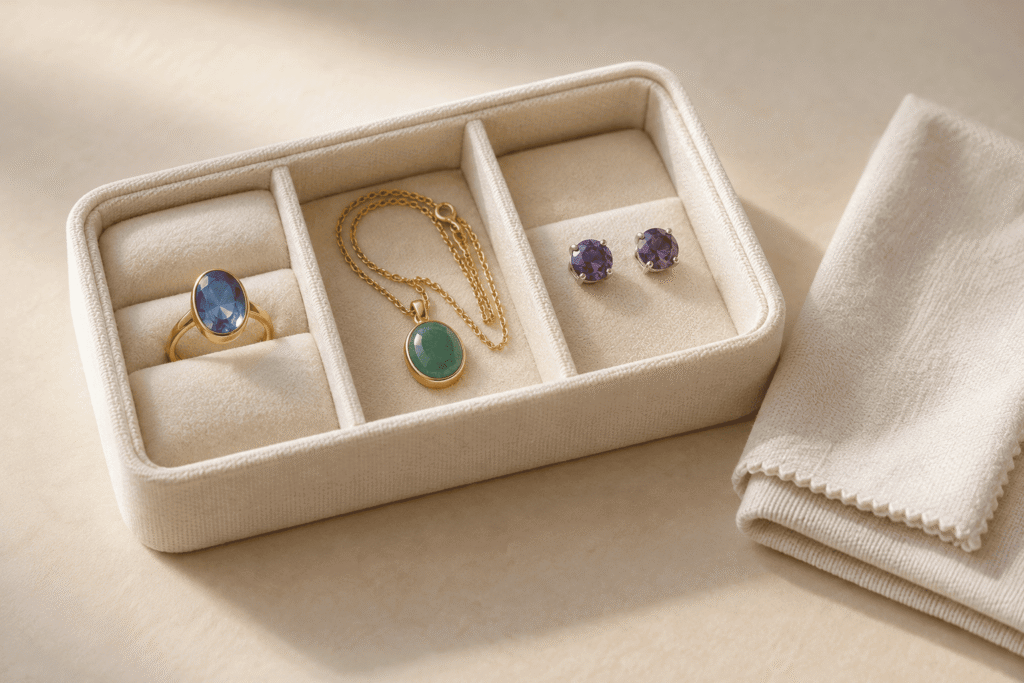
Care depends on the stone, its treatments, and the condition of its setting.
Store pieces separately so they do not rub against one another. Remove jewelry before activities that expose it to knocks or harsh chemicals.
Do not assume an ultrasonic cleaner, steam cleaner, or household solution is suitable for every gemstone. If you have inherited a piece with an unidentified stone, have it checked before deep cleaning. Treatments such as fracture filling can make particular cleaning methods unsuitable.
Frequently Asked Questions
Is it true that semi-precious gemstones are always cheap?
No. The traditional label doesn’t indicate an individual stone’s quality, rarity, or value.
Does gemstone jewelry always increase in value?
Certainly. Future value will vary depending on the item and the market situation. You should select jewellery that you personally enjoy and not regard a claim of appreciation as a guarantee.
Can a photograph confirm what gemstone I own?
A clear photograph can help start an evaluation, but it may not confirm identity, treatments, or whether it’s lab-grown. Physical examination or testing may be needed.
What should I bring to an evaluation?
Take the jewellery, the earlier appraisals, the laboratory reports, the receipts, and any other reliable information concerning the maker or the history of it.
Have a Gemstone Piece You Want Evaluated?
Whether you own an inherited ring, a vintage pendant, or a gemstone bracelet you no longer wear, understanding the piece is a useful first step.
Visit our gemstone jewelry buying guide to learn about the selling process, or contact Antique Jewelry Buyers to discuss an evaluation. Clear photographs and any existing documents will help our team advise you on the next steps.
Best Antique Jewelry Gifts for Christmas: Timeless Ideas for Every Style
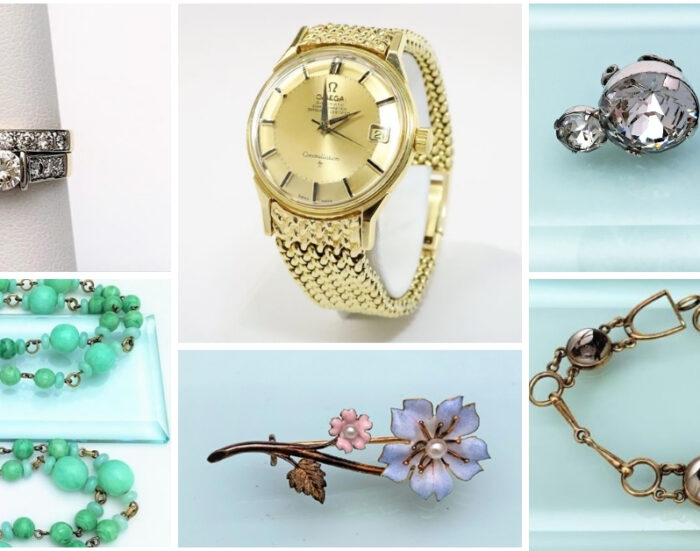
Finding a Christmas gift for someone who loves jewelry can be exciting, but it can also be difficult. Countless rings, necklaces, bracelets, earrings, brooches, watches, and other pieces are available. If you want your gift to feel more personal and meaningful, antique or vintage jewelry can be an excellent choice. To start your search, consider visiting reputable antique jewelry shops, well-known vintage boutiques, or certified online sellers with strong customer reviews. Trusted sources can help ensure you find an authentic and high-quality piece, making your gift even more special.
Unlike many mass-produced gifts, an older piece of jewelry can have its own character, craftsmanship, and history. A carefully chosen antique ring may become a family heirloom, while a vintage brooch or necklace can give someone a unique piece that they are unlikely to see everywhere else.
Whether you are shopping for a spouse, parent, friend, daughter, or another special person, here are some jewelry gift ideas worth considering this Christmas.
How to Choose the Right Jewelry Gift
Before choosing a piece, think about the recipient rather than simply choosing the most expensive item you can find.
Consider:
- The type of jewelry they normally wear
- Their preferred metal, such as gold, platinum, or silver
- Whether they prefer simple or detailed designs
- Their favorite gemstones or colors
- Their personal style
- Whether they enjoy vintage and antique pieces
- Whether the jewelry has a story or historical connection
For example, someone who rarely wears rings may appreciate a distinctive pendant more than an elaborate ring. Someone who enjoys collecting older pieces may be especially interested in an Art Deco, Victorian, or other period-style design.
The best jewelry gift feels like it was chosen specifically for that person.
Antique or Vintage Rings
A ring can be one of the most meaningful jewelry gifts because it can represent a personal connection, a special occasion, or simply an appreciation for beautiful craftsmanship.
Antique and vintage rings are particularly interesting because their designs often differ from what you find in modern jewelry stores. Older pieces may feature distinctive settings, hand-finished details, unusual gemstones, or older diamond cuts.
If you are considering an antique ring as a gift, pay attention to its condition, materials, gemstone characteristics, and any available information about its history. To ensure authenticity, ask the seller for certificates or appraisals whenever possible. You may also want to seek an expert opinion from a reputable jeweler or appraiser if you are unsure about a piece. These steps can help reassure you that you are buying a genuine antique, not a reproduction or a misrepresented piece.
If the ring has been passed down through your family, its sentimental value may matter as much as its monetary value.
Vintage Necklaces and Pendants
A necklace is a versatile gift because it can complement many different styles.
A vintage pendant with an unusual design can make a simple outfit more distinctive, while a classic antique necklace may work for formal occasions as well as everyday wear.
When choosing a necklace, consider the recipient’s existing jewelry collection. Look for pieces that complement the colors, metals, and styles they already enjoy.
A necklace can also be a particularly meaningful gift when the design connects to the recipient’s personality or interests.
Antique Earrings
Earrings are another practical jewelry gift option.
You can find antique and vintage earrings in many different designs, from understated pieces to elaborate styles featuring diamonds and colored gemstones.
If you know the recipient prefers smaller, everyday jewelry, choose a simple pair they can wear regularly. For someone who enjoys making a statement, larger or more decorative vintage earrings may be a better choice.
Always make sure the earrings are comfortable and suit the person’s usual style before you buy.
Vintage Bracelets
Bracelets make great Christmas gifts because they are easy to personalize to someone’s style.
A vintage bracelet with intricate metalwork, gemstones, or an unusual clasp can be much more distinctive than a standard modern design.
Before purchasing an older bracelet, check the condition carefully. Inspect the links and make sure each one moves smoothly and is not bent or broken. Examine the clasp to ensure it opens and closes securely and is not worn down, as worn clasps can make it easy to lose the bracelet. Look closely at gemstone settings to see if any stones feel loose, look uneven, or are missing. Watch for signs of previous repairs, such as visible solder marks, mismatched metal areas, or replaced components. These checks help ensure you choose a piece that will last and maintain its value.
For valuable antique jewelry, professional evaluation can also help you understand what you are buying.
Antique Brooches
Brooches are sometimes overlooked when people shop for jewelry, but they can be an excellent choice for someone who appreciates unusual or historical pieces.
A vintage or antique brooch can be worn on a jacket, coat, scarf, or other clothing, adding a distinctive touch without requiring the recipient to wear traditional jewelry.
Because brooches come in so many shapes and designs, you can often find something that matches a person’s interests, personality, or favorite design period.
Vintage Watches
A vintage watch can combine jewelry, craftsmanship, and history in one gift.
For someone interested in watches, an older timepiece may be much more appealing than a brand-new model because of its design and character.
However, vintage watches require a bit more attention before you buy. When possible, check the condition, movement, authenticity, brand, service history, and overall functionality. Vintage watches also often need regular servicing or occasional repairs to keep them working properly. Factoring in maintenance can help you plan and ensure your gift remains in good condition for years to come.
If you are buying a valuable vintage watch, a professional assessment can help you make a more informed decision.
Jewelry With an Interesting History
Sometimes the most memorable gift isn’t the most expensive.
A piece with an interesting history can make a Christmas gift feel much more personal. This could be jewelry from a particular design period, a piece associated with a well-known maker, or a carefully preserved family heirloom.
Ask about a piece’s history before buying it. Information about where it came from, who made it, when it was produced, and how it has been preserved can add meaningful context to the gift.
If documentation or previous appraisal information is available, keep it with the jewelry.
Antique vs. Vintage Jewelry: What’s the Difference?
The terms antique and vintage are often used interchangeably, but they are not the same.
Generally, antique jewelry refers to older pieces with significant age, while vintage jewelry usually describes older pieces that are not necessarily old enough to be considered antique.
The exact terminology can vary by seller, collector, and context. More importantly, buyers should look beyond the label.
Consider the jewelry’s:
- Age
- Maker or brand
- Materials
- Gemstones
- Craftsmanship
- Condition
- Rarity
- Provenance
- Historical or collectible interest
These factors can all influence how a particular piece is viewed and valued.
What Makes Antique Jewelry Valuable?
Age alone does not automatically make jewelry valuable.
Two pieces from the same period can have completely different values. Factors such as craftsmanship, rarity, condition, gemstones, precious metals, maker, provenance, and market demand can all play a role.
For example, jewelry associated with recognized designers or prestigious houses may attract greater interest. The site’s appraisal information also notes that pieces from famous jewelers such as Tiffany and Cartier can have additional value depending on the item and its characteristics.
That is why it is better to have an unusual or potentially valuable piece evaluated rather than assuming its value based only on its age or appearance.
Buying Antique Jewelry as a Christmas Gift
When purchasing an antique or vintage piece, take your time.
Ask the seller about the jewelry’s condition and history. If gemstones are involved, ask whether they have been examined or treated. If the item has previously been repaired, find out what work was performed.
For expensive purchases, documentation can also be important. Helpful documents include certificates of authenticity, previous appraisals, original receipts, and any paperwork confirming the item’s provenance, age, or maker. Requesting these documents from the seller can give you extra confidence in your purchase.
Be especially careful with pieces described as rare, signed, designer, or historically important. Support those descriptions with appropriate information rather than accepting them solely because they appear in a listing.
Should You Have Antique Jewelry Appraised?
An appraisal can help you better understand a piece’s characteristics and potential value.
This can be especially helpful when:
- You inherited the jewelry.
- You are considering selling it.
- You are unsure whether it is antique or vintage.
- You want information about gemstones or precious metals.
- You have little information about its origin.
- You are considering an expensive purchase.
Antique Jewelry Buyers currently offers jewelry appraisal services, including online appraisal options. The company asks customers to provide clear photographs and information about the jewelry and its provenance; in some situations, a physical examination or testing may be necessary.
An appraisal should be based on the jewelry’s actual characteristics, not just its appearance.
What If You Already Have Antique Jewelry You Don’t Wear?
Christmas is also a good time to look through your existing jewelry collection.
Perhaps you have inherited pieces that have been sitting in a jewelry box for years. Maybe you have an old ring, necklace, bracelet, watch, or brooch that no longer fits your style.
Before deciding what to do with it, consider having the piece evaluated.
You may discover that an item you considered ordinary has collectible, historical, or monetary value.
If you eventually decide to sell, working with an experienced jewelry buyer can make the process easier. Antique Jewelry Buyers provides buying and appraisal services for antique, vintage, estate, and fine jewelry and accepts information and photographs online to begin the evaluation process.
Make Your Christmas Gift More Personal
The best jewelry gifts are not necessarily the biggest or most expensive.
A carefully selected vintage ring, an unusual antique brooch, a classic necklace, or a family-inspired piece can carry much more meaning when it reflects the recipient’s personality and story.
Take the time to understand what they actually like, learn about the piece before purchasing it, and make sure you are comfortable with its condition and authenticity. Before finalizing your purchase, also review the seller’s return or exchange policy. This offers peace of mind if the jewelry gift isn’t quite right for the recipient and helps ensure a smoother experience if an exchange or return becomes necessary.
Whether you are buying an antique jewelry gift or evaluating a piece you already own, getting the right information can help you make a more confident decision.
Looking to Have Jewelry Evaluated?
If you have an antique, vintage, estate, or fine jewelry piece you would like evaluated, contact Antique Jewelry Buyers to discuss your item. The team works with customers in Florida and also provides an online submission process where you can provide photographs and details about your jewelry.
Before submitting your jewelry, take clear, high-resolution photos from different angles, and include any information you have about its history, previous appraisal, maker, or provenance. This gives an evaluator more useful information from the start.