
Gemstone Jewelry: How to Choose, Care for, and Understand Its Value
A sapphire ring, an emerald pendant, or a garnet brooch might be kept for completely different reasons: you could be drawn to the colour, admire the craftsmanship, or wish to find out how much a family heirloom would sell for.
It is useful beforehand to get a good understanding of the stone, its setting, and its condition if you are going to add gemstone jewellery to your collection or have a piece assessed. A well-known name for the gemstone or a high carat weight gives only part of the answer.
What Is Gemstone Jewelry?
Gemstone jewelry includes pieces decorated with gems, whether set in gold, silver, or platinum; strung as beads; or carved into ornaments.
Rings, necklaces, pendants, bracelets, and earrings are typical examples, and gemstones can be found in antique brooches and pins as well.
Gemstone jewellery can be classified as fine jewellery. The two terms are not opposite categories; a ruby set in a well-made gold ring is an example of jewellery that belongs to both the gemstone jewellery and the fine jewellery categories.
Popular Gemstones Used in Jewelry
Start with the colors and designs you enjoy, then consider how you will wear the piece.
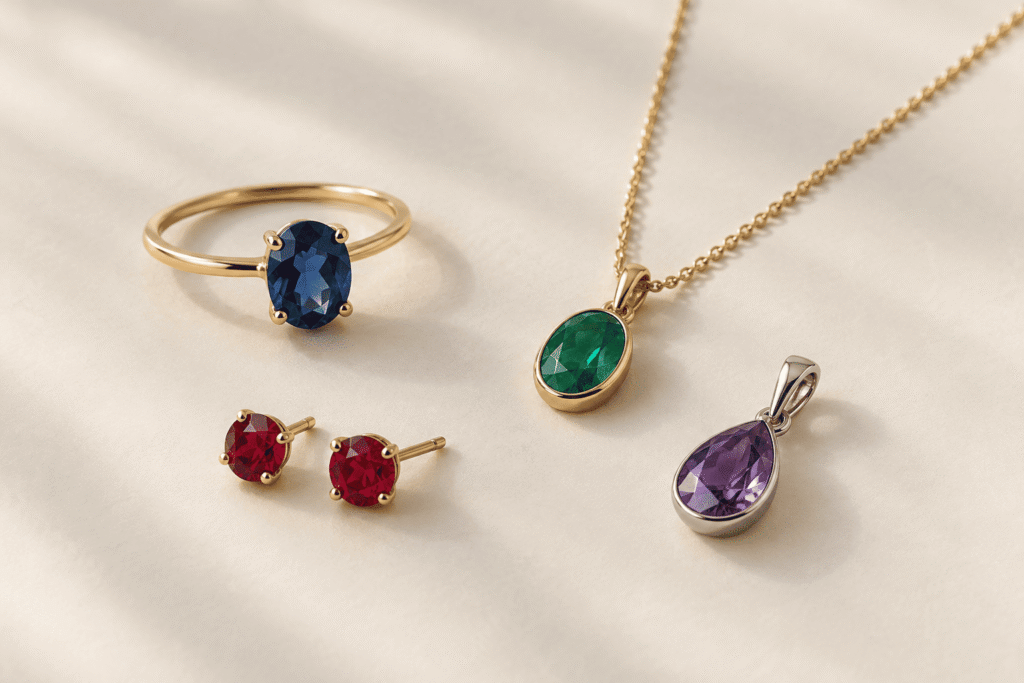
| Gemstone | What to consider |
| Ruby | A red gemstone often chosen for rings and statement pieces |
| Sapphire | Available in blue and other colors; a practical option for frequent wear |
| Emerald | Valued for its green color, but needs care around impacts and some cleaning methods |
| Diamond | Highly resistant to scratching, although it can still chip |
| Amethyst and garnet | Offer colorful alternatives across a range of jewelry styles |
| Opal | Known for its play of color; requires careful handling and stone-specific care |
Ruby and sapphire are not very resistant to scratching. Although emeralds also have a relatively high hardness, they may require more careful handling. The hardness of a stone by itself doesn’t indicate how easily it can chip, fracture, or react to heat and chemicals.
What Do “Precious” and “Semi-Precious” Mean?
Diamond, ruby, sapphire, and emerald are generally referred to as precious gemstones, while many other gems are called semi-precious.
Those labels do not constitute quality ratings or reliable indicators of price. What is more important than the category printed next to a stone’s name are the stone’s individual characteristics, including its quality, rarity, and condition.
Natural, Laboratory-Grown, and Imitation Gemstones
Ask what the stone actually is before comparing prices.
- Natural gemstones form in nature.
- Laboratory-grown gemstones are made by people and share essentially the same chemical and physical characteristics as their natural counterparts.
- Imitation gemstones resemble another gem but are made from different materials. For example, glass can imitate the appearance of a colored stone.
A laboratory-produced sapphire and a glass imitation of a sapphire are thus different products, and it is necessary to clearly describe both their origin and material, since appearance alone is not sufficient to establish their identity.
How to Choose Gemstone Jewelry for Your Collection
It is possible to enjoy gemstone jewellery without having a large collection; simply choose a piece that matches your taste, your budget, and your daily routine.
Color can guide your choice, but comfort, construction, and care requirements deserve attention too. Personal symbolism or a family connection can make a piece meaningful without creating a guaranteed financial return.
Match the Stone and Setting to How You Wear It
Rings and bracelets are more likely to be knocked about than earrings and pendants, so think about whether you will wear the item every day or only on special occasions.
Make sure the setting holds the stone securely; on older jewellery examine the prongs for wear, look for loose stones, damaged clasps, and any previous repairs. If you have any concerns, get them checked before you wear the piece regularly.
Ask About Treatments and Documentation
Gemstones can be treated in order to improve their colour or clarity. Although this does not mean that the stone becomes unsuitable, the treatment may have an impact on its value and on the way it should be looked after.
Ask whether treatments are known, whether a laboratory report is available, and whether the stone needs special cleaning precautions. Heating and clarity enhancement are examples of treatments that may be identified during laboratory examination.
If you are making a purchase that is more expensive, you should ask a qualified professional if an independent report would be of use. Although it is not necessary for every item that is only modestly priced to have further laboratory tests carried out.
What Determines Gemstone Jewelry’s Value?
There is no reliable price formula that depends solely on the name of the gemstone and its weight.
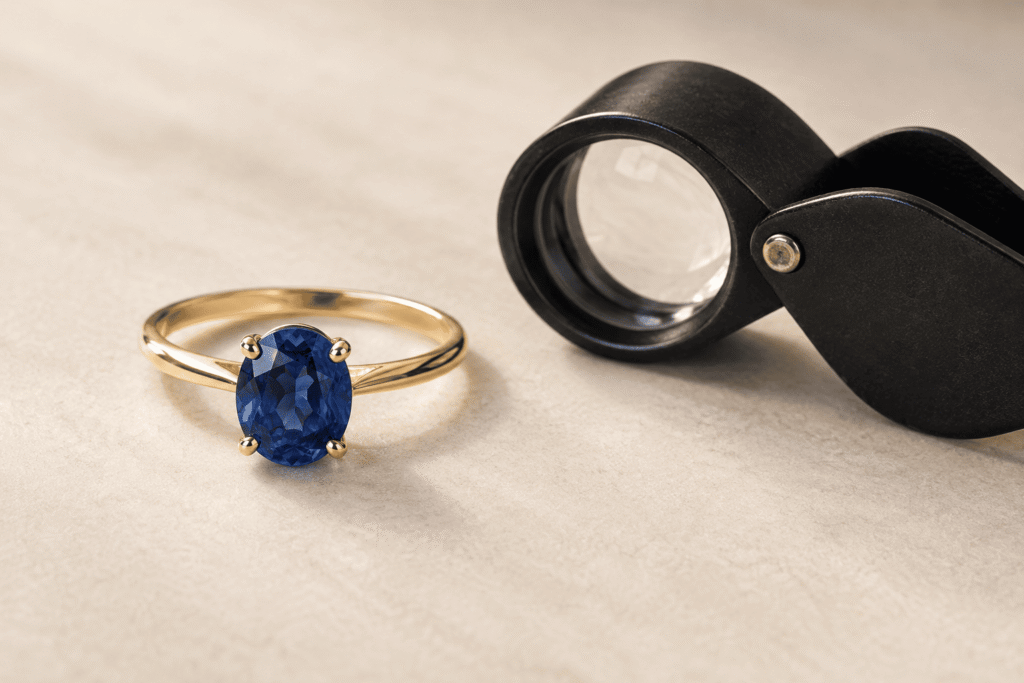
For colored gemstones, important quality factors include color, clarity, size, and cutting quality. Two stones with the same carat weight can look and be worth very different amounts.
An evaluation may also consider:
- Whether the stone is natural, laboratory-grown, or an imitation.
- Known treatments and supporting reports.
- The metal’s purity and weight.
- Artistry and condition.
- The market in which the piece would be sold.
More metal does not automatically make one finished piece worth more than another. A well-made, collectible jewel may be evaluated differently from jewelry purchased mainly for its material content.
What Matters in Antique and Estate Pieces?
With older jewelry, the setting and history deserve as much attention as the stone. Maker’s marks, design, repairs, alterations, and supporting documents may help explain a piece’s significance.
Retain the receipts, past appraisals, laboratory reports, and any reliable family history, take photographs of the marks rather than rubbing them out, and get advice before making any changes to an item that you intend to sell.
Our guide to jewelry markings explains common clues found on gold, silver, and platinum jewelry.
Appraisal, Laboratory Report, or Purchase Offer?
These documents serve different purposes.
A laboratory report identifies or describes a gemstone and may disclose detectable treatments. It does not necessarily assign a monetary value.
An appraisal provides a valuation for a stated purpose and date. Ask what kind of value the report addresses and whether it meets your intended use.
A purchase offer states what a buyer is willing to pay. It should not be assumed to equal an insurance replacement valuation.
For instance, GIA issues reports on gemstones but does not assess the financial value of jewellery.
Learn more about our jewelry appraisal services and explain whether you need help with selling, identification, or a written valuation.
How To Care for Gemstone Jewelry
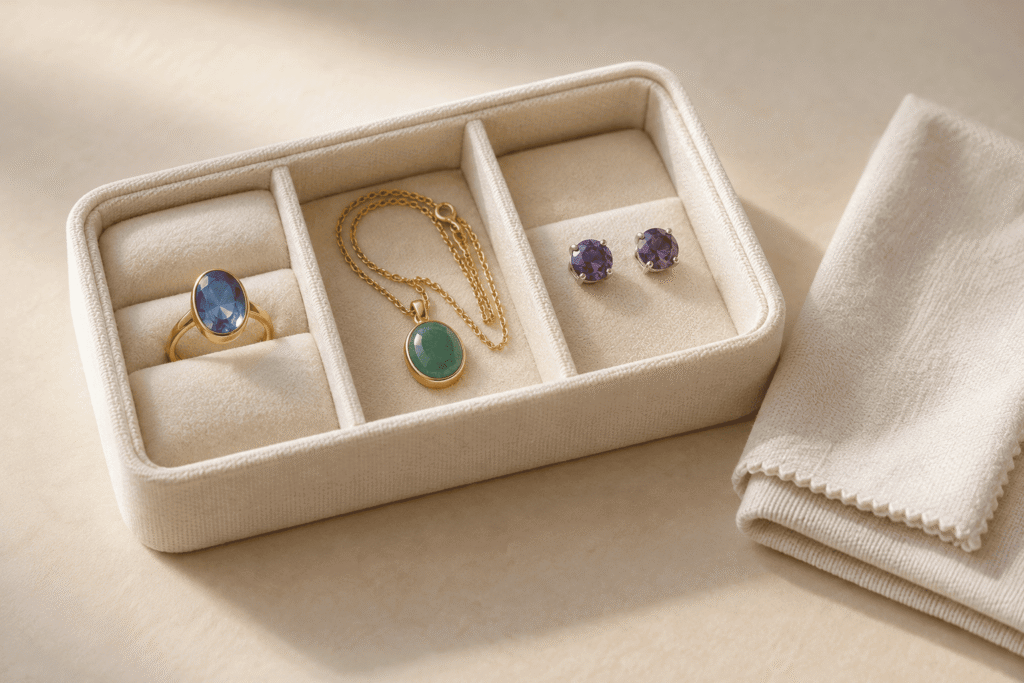
Care depends on the stone, its treatments, and the condition of its setting.
Store pieces separately so they do not rub against one another. Remove jewelry before activities that expose it to knocks or harsh chemicals.
Do not assume an ultrasonic cleaner, steam cleaner, or household solution is suitable for every gemstone. If you have inherited a piece with an unidentified stone, have it checked before deep cleaning. Treatments such as fracture filling can make particular cleaning methods unsuitable.
Frequently Asked Questions
Is it true that semi-precious gemstones are always cheap?
No. The traditional label doesn’t indicate an individual stone’s quality, rarity, or value.
Does gemstone jewelry always increase in value?
Certainly. Future value will vary depending on the item and the market situation. You should select jewellery that you personally enjoy and not regard a claim of appreciation as a guarantee.
Can a photograph confirm what gemstone I own?
A clear photograph can help start an evaluation, but it may not confirm identity, treatments, or whether it’s lab-grown. Physical examination or testing may be needed.
What should I bring to an evaluation?
Take the jewellery, the earlier appraisals, the laboratory reports, the receipts, and any other reliable information concerning the maker or the history of it.
Have a Gemstone Piece You Want Evaluated?
Whether you own an inherited ring, a vintage pendant, or a gemstone bracelet you no longer wear, understanding the piece is a useful first step.
Visit our gemstone jewelry buying guide to learn about the selling process, or contact Antique Jewelry Buyers to discuss an evaluation. Clear photographs and any existing documents will help our team advise you on the next steps.
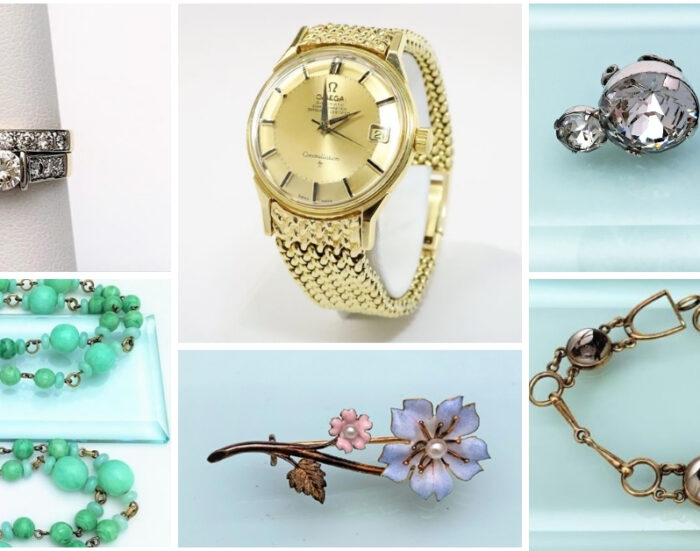
Best Antique Jewelry Gifts for Christmas: Timeless Ideas for Every Style
Finding a Christmas gift for someone who loves jewelry can be exciting, but it can also be difficult. Countless rings, necklaces, bracelets, earrings, brooches, watches, and other pieces are available. If you want your gift to feel more personal and meaningful, antique or vintage jewelry can be an excellent choice. To start your search, consider visiting reputable antique jewelry shops, well-known vintage boutiques, or certified online sellers with strong customer reviews. Trusted sources can help ensure you find an authentic and high-quality piece, making your gift even more special.
Unlike many mass-produced gifts, an older piece of jewelry can have its own character, craftsmanship, and history. A carefully chosen antique ring may become a family heirloom, while a vintage brooch or necklace can give someone a unique piece that they are unlikely to see everywhere else.
Whether you are shopping for a spouse, parent, friend, daughter, or another special person, here are some jewelry gift ideas worth considering this Christmas.
How to Choose the Right Jewelry Gift
Before choosing a piece, think about the recipient rather than simply choosing the most expensive item you can find.
Consider:
- The type of jewelry they normally wear
- Their preferred metal, such as gold, platinum, or silver
- Whether they prefer simple or detailed designs
- Their favorite gemstones or colors
- Their personal style
- Whether they enjoy vintage and antique pieces
- Whether the jewelry has a story or historical connection
For example, someone who rarely wears rings may appreciate a distinctive pendant more than an elaborate ring. Someone who enjoys collecting older pieces may be especially interested in an Art Deco, Victorian, or other period-style design.
The best jewelry gift feels like it was chosen specifically for that person.
Antique or Vintage Rings
A ring can be one of the most meaningful jewelry gifts because it can represent a personal connection, a special occasion, or simply an appreciation for beautiful craftsmanship.
Antique and vintage rings are particularly interesting because their designs often differ from what you find in modern jewelry stores. Older pieces may feature distinctive settings, hand-finished details, unusual gemstones, or older diamond cuts.
If you are considering an antique ring as a gift, pay attention to its condition, materials, gemstone characteristics, and any available information about its history. To ensure authenticity, ask the seller for certificates or appraisals whenever possible. You may also want to seek an expert opinion from a reputable jeweler or appraiser if you are unsure about a piece. These steps can help reassure you that you are buying a genuine antique, not a reproduction or a misrepresented piece.
If the ring has been passed down through your family, its sentimental value may matter as much as its monetary value.
Vintage Necklaces and Pendants
A necklace is a versatile gift because it can complement many different styles.
A vintage pendant with an unusual design can make a simple outfit more distinctive, while a classic antique necklace may work for formal occasions as well as everyday wear.
When choosing a necklace, consider the recipient’s existing jewelry collection. Look for pieces that complement the colors, metals, and styles they already enjoy.
A necklace can also be a particularly meaningful gift when the design connects to the recipient’s personality or interests.
Antique Earrings
Earrings are another practical jewelry gift option.
You can find antique and vintage earrings in many different designs, from understated pieces to elaborate styles featuring diamonds and colored gemstones.
If you know the recipient prefers smaller, everyday jewelry, choose a simple pair they can wear regularly. For someone who enjoys making a statement, larger or more decorative vintage earrings may be a better choice.
Always make sure the earrings are comfortable and suit the person’s usual style before you buy.
Vintage Bracelets
Bracelets make great Christmas gifts because they are easy to personalize to someone’s style.
A vintage bracelet with intricate metalwork, gemstones, or an unusual clasp can be much more distinctive than a standard modern design.
Before purchasing an older bracelet, check the condition carefully. Inspect the links and make sure each one moves smoothly and is not bent or broken. Examine the clasp to ensure it opens and closes securely and is not worn down, as worn clasps can make it easy to lose the bracelet. Look closely at gemstone settings to see if any stones feel loose, look uneven, or are missing. Watch for signs of previous repairs, such as visible solder marks, mismatched metal areas, or replaced components. These checks help ensure you choose a piece that will last and maintain its value.
For valuable antique jewelry, professional evaluation can also help you understand what you are buying.
Antique Brooches
Brooches are sometimes overlooked when people shop for jewelry, but they can be an excellent choice for someone who appreciates unusual or historical pieces.
A vintage or antique brooch can be worn on a jacket, coat, scarf, or other clothing, adding a distinctive touch without requiring the recipient to wear traditional jewelry.
Because brooches come in so many shapes and designs, you can often find something that matches a person’s interests, personality, or favorite design period.
Vintage Watches
A vintage watch can combine jewelry, craftsmanship, and history in one gift.
For someone interested in watches, an older timepiece may be much more appealing than a brand-new model because of its design and character.
However, vintage watches require a bit more attention before you buy. When possible, check the condition, movement, authenticity, brand, service history, and overall functionality. Vintage watches also often need regular servicing or occasional repairs to keep them working properly. Factoring in maintenance can help you plan and ensure your gift remains in good condition for years to come.
If you are buying a valuable vintage watch, a professional assessment can help you make a more informed decision.
Jewelry With an Interesting History
Sometimes the most memorable gift isn’t the most expensive.
A piece with an interesting history can make a Christmas gift feel much more personal. This could be jewelry from a particular design period, a piece associated with a well-known maker, or a carefully preserved family heirloom.
Ask about a piece’s history before buying it. Information about where it came from, who made it, when it was produced, and how it has been preserved can add meaningful context to the gift.
If documentation or previous appraisal information is available, keep it with the jewelry.
Antique vs. Vintage Jewelry: What’s the Difference?
The terms antique and vintage are often used interchangeably, but they are not the same.
Generally, antique jewelry refers to older pieces with significant age, while vintage jewelry usually describes older pieces that are not necessarily old enough to be considered antique.
The exact terminology can vary by seller, collector, and context. More importantly, buyers should look beyond the label.
Consider the jewelry’s:
- Age
- Maker or brand
- Materials
- Gemstones
- Craftsmanship
- Condition
- Rarity
- Provenance
- Historical or collectible interest
These factors can all influence how a particular piece is viewed and valued.
What Makes Antique Jewelry Valuable?
Age alone does not automatically make jewelry valuable.
Two pieces from the same period can have completely different values. Factors such as craftsmanship, rarity, condition, gemstones, precious metals, maker, provenance, and market demand can all play a role.
For example, jewelry associated with recognized designers or prestigious houses may attract greater interest. The site’s appraisal information also notes that pieces from famous jewelers such as Tiffany and Cartier can have additional value depending on the item and its characteristics.
That is why it is better to have an unusual or potentially valuable piece evaluated rather than assuming its value based only on its age or appearance.
Buying Antique Jewelry as a Christmas Gift
When purchasing an antique or vintage piece, take your time.
Ask the seller about the jewelry’s condition and history. If gemstones are involved, ask whether they have been examined or treated. If the item has previously been repaired, find out what work was performed.
For expensive purchases, documentation can also be important. Helpful documents include certificates of authenticity, previous appraisals, original receipts, and any paperwork confirming the item’s provenance, age, or maker. Requesting these documents from the seller can give you extra confidence in your purchase.
Be especially careful with pieces described as rare, signed, designer, or historically important. Support those descriptions with appropriate information rather than accepting them solely because they appear in a listing.
Should You Have Antique Jewelry Appraised?
An appraisal can help you better understand a piece’s characteristics and potential value.
This can be especially helpful when:
- You inherited the jewelry.
- You are considering selling it.
- You are unsure whether it is antique or vintage.
- You want information about gemstones or precious metals.
- You have little information about its origin.
- You are considering an expensive purchase.
Antique Jewelry Buyers currently offers jewelry appraisal services, including online appraisal options. The company asks customers to provide clear photographs and information about the jewelry and its provenance; in some situations, a physical examination or testing may be necessary.
An appraisal should be based on the jewelry’s actual characteristics, not just its appearance.
What If You Already Have Antique Jewelry You Don’t Wear?
Christmas is also a good time to look through your existing jewelry collection.
Perhaps you have inherited pieces that have been sitting in a jewelry box for years. Maybe you have an old ring, necklace, bracelet, watch, or brooch that no longer fits your style.
Before deciding what to do with it, consider having the piece evaluated.
You may discover that an item you considered ordinary has collectible, historical, or monetary value.
If you eventually decide to sell, working with an experienced jewelry buyer can make the process easier. Antique Jewelry Buyers provides buying and appraisal services for antique, vintage, estate, and fine jewelry and accepts information and photographs online to begin the evaluation process.
Make Your Christmas Gift More Personal
The best jewelry gifts are not necessarily the biggest or most expensive.
A carefully selected vintage ring, an unusual antique brooch, a classic necklace, or a family-inspired piece can carry much more meaning when it reflects the recipient’s personality and story.
Take the time to understand what they actually like, learn about the piece before purchasing it, and make sure you are comfortable with its condition and authenticity. Before finalizing your purchase, also review the seller’s return or exchange policy. This offers peace of mind if the jewelry gift isn’t quite right for the recipient and helps ensure a smoother experience if an exchange or return becomes necessary.
Whether you are buying an antique jewelry gift or evaluating a piece you already own, getting the right information can help you make a more confident decision.
Looking to Have Jewelry Evaluated?
If you have an antique, vintage, estate, or fine jewelry piece you would like evaluated, contact Antique Jewelry Buyers to discuss your item. The team works with customers in Florida and also provides an online submission process where you can provide photographs and details about your jewelry.
Before submitting your jewelry, take clear, high-resolution photos from different angles, and include any information you have about its history, previous appraisal, maker, or provenance. This gives an evaluator more useful information from the start.

What Makes a Reputable Antique Jewelry Appraiser a Wise Choice?
Have you inherited an old necklace from a family member, discovered a vintage ring in an old jewelry box, or collected antique pieces that you are now thinking about selling? If so, you may be wondering what your jewelry is actually worth.
It can be difficult to determine the value of antique jewelry just by looking at it. Its age, materials, craftsmanship, condition, rarity, and history can all affect its value. This is why working with a reputable antique jewelry appraiser can be a smart step before making an important decision about your jewelry.
A professional appraisal can tell you what you have and help you decide whether to keep, insure, or sell it.
Why Is an Antique Jewelry Appraisal Important?
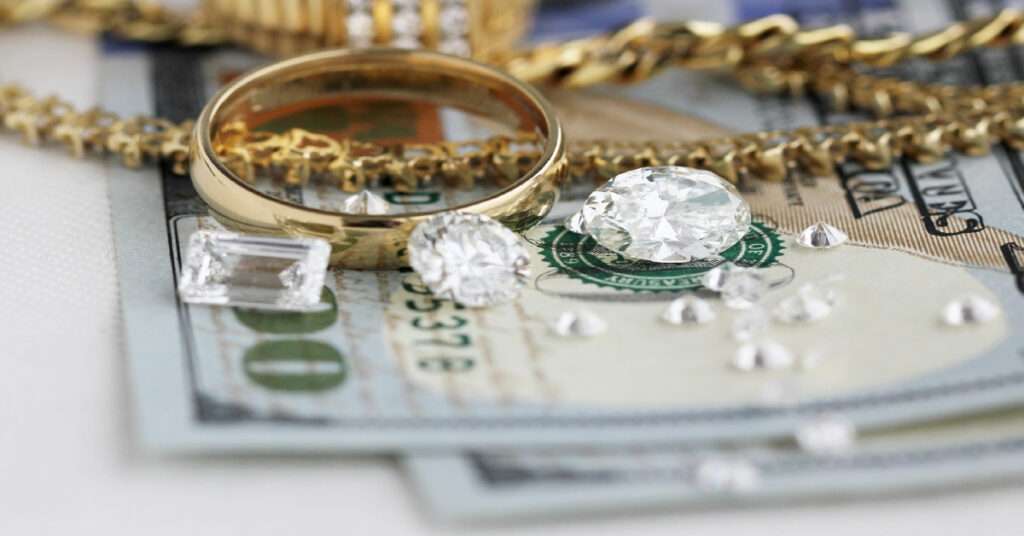
An antique jewelry appraisal is not simply assigning a value to a piece of old jewelry. A skilled appraiser will closely examine the jewelry to identify key characteristics and provide an informed assessment.
An appraisal may consider the following, depending on the piece:
- Age and historical period
- Metal type and purity
- Gemstones
- Craftsmanship and design
- Maker’s mark or signature
- Rarity and condition
- Weight and overall construction
The appraiser may also prepare a written report detailing the findings. This documentation can help with insurance, estate planning, personal records, or selling the jewelry.
Can you appraise antique jewelry yourself?
You can research an antique item yourself, but it can be hard to gauge its value. Two pieces that appear identical can be worth very different amounts, depending on their age, maker, condition, rarity, or authenticity.
Online searches can give you a general idea, but they are not a substitute for a professional examination when the jewelry may have significant value.
What Makes an Appraiser Reputable?
Choosing the right appraiser is as important as the appraisal itself. A reputable antique jewelry appraiser should have applicable knowledge and experience in older, collectible jewelry
Before choosing someone, take a little time to learn about their background and services. Look for an appraiser who clearly explains how the appraisal works, what is included in the report, and how much the service costs.
It can help to check independent reviews, professional credentials, and how long the business has been operating.
Find an honest appraiser who will answer your questions without trying to get you to sell your jewelry.
Why Experience With Antique Jewelry Matters
Not all jewelers sell antiques. Antique jewelry may have unique construction methods, markings, gemstones, and designs that demand specialized knowledge.
An experienced appraiser knows what details to look for and can tell which features might affect an item’s potential value. When enough information is available, they can also help in determining the period or style of a piece.
This specialized knowledge is especially useful if you have inherited jewelry or own a piece with an unknown history.
Local Jewelry Appraisal: What Should You Consider?
If you prefer an in-person appraisal, searching for “antique jewelry appraisal near me” will help you find local options. But the nearest appraiser isn’t always the right appraiser.
Before making an appointment, ask about their experience with antique and vintage jewelry. You can also ask how they examine pieces, whether they provide a written report, and what type of appraisal you will receive.
Comparing a few qualified experts can help you understand the services available and choose someone that suits your needs.
What’s the Difference Between an Appraisal and a Selling Offer?
A buyer’s offer isn’t always the same as an appraisal. An appraisal is an opinion of value based on the purpose and scope of the appraisal. A buyer’s offer is what a specific buyer is willing to pay.
If you are getting an appraisal because you want to sell, it helps to understand this distinction. An appraisal can tell you more about your jewelry, but offers will differ from buyer to buyer.
Can You Get a Vintage Jewelry Appraisal Online?
Yes, some services offer free online vintage jewelry appraisal or an initial assessment based on photos and information you supply.
Online appraisal can be convenient, especially if you cannot visit a local professional. You may be asked to provide clear photographs of the jewelry along with details such as its measurements, markings, materials, and history.
However, online assessments have limitations. Photographs may not show every detail, and some pieces need a physical examination to properly assess their construction, condition, gemstones, or authenticity.
What Photos Are Needed for an Online Appraisal?
For an online evaluation of jewelry, provide clear photographs from several angles. Please can you provide close-up images of any hallmarks, signatures, gemstones, clasps, and any areas of damage or wear.
The more useful your information, the easier it may be for an expert to form an initial opinion.
Is a Free Online Appraisal Enough to Sell Antique Jewelry?
A free online appraisal can be a good place to start, but you shouldn’t take it as gospel. If the piece seems rare, valuable, or historically important, it may deserve a closer look.
You should also understand what the online service means by “appraisal” and whether you will receive a formal written report or simply an initial estimate.
Why You Should Be Careful When Selling Antique Jewelry
Selling antique jewelry can be confusing if you don’t know what to look for. You may not know whether it is valued mainly for its precious metal content or whether its age, craftsmanship, rarity, designer, or historical background makes it more attractive.
A respected appraisal can give you information to help you ask better questions and compare offers with confidence.
That doesn’t mean an appraisal will guarantee a specific selling price. How much a buyer will pay varies by buyer and depends on current market conditions, demand, and the type and condition of the jewelry.
Do you need an appraisal before selling?
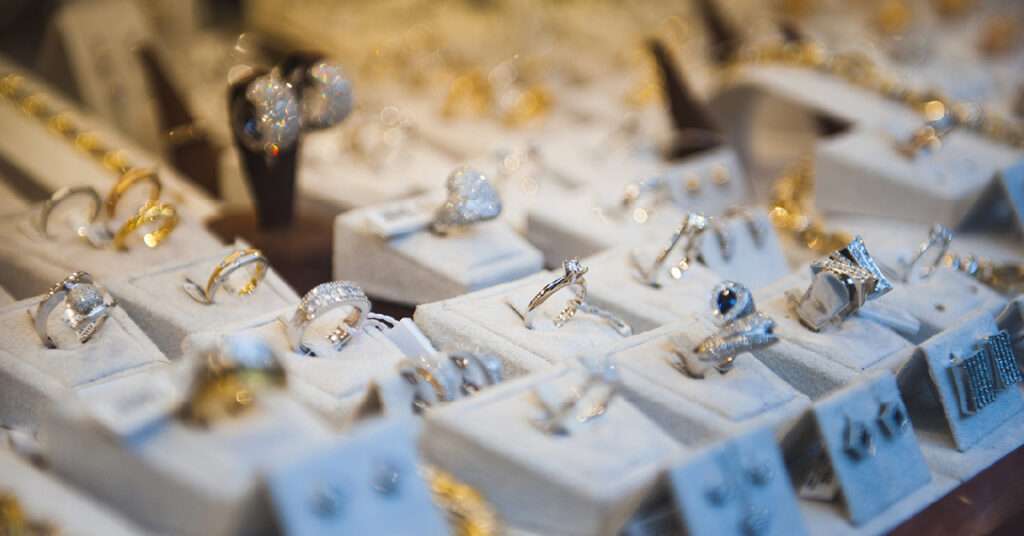
If you’re unsure about the history or possible value of your antique jewelry, you may want to have it appraised before you sell it. This can help you to understand the piece better and approach the selling process more informed.
It’s especially useful for inherited jewelry, unusual pieces, or items you think may have collectible or historic value.
Choosing the Right Antique Jewelry Appraiser
Finding a reputable appraiser does not have to be complicated. Start by looking for someone with specific experience in antique and vintage jewelry, then learn about their credentials, reputation, appraisal process, and fees.
Whether you choose a local jewelry appraisal or an online service, ask questions before you send your valuable piece or share personal information. A professional should explain the process clearly, and you should have a reasonable idea of what to expect.
But most importantly, remember that an appraisal is more than a number. It can help you discover the history, characteristics, and possible value of a piece that may have been in your family or collection for years.
If you’re wondering about the value of your antique jewelry, taking the time to find a reputable antique jewelry buyers can be a valuable first step toward making an informed decision.
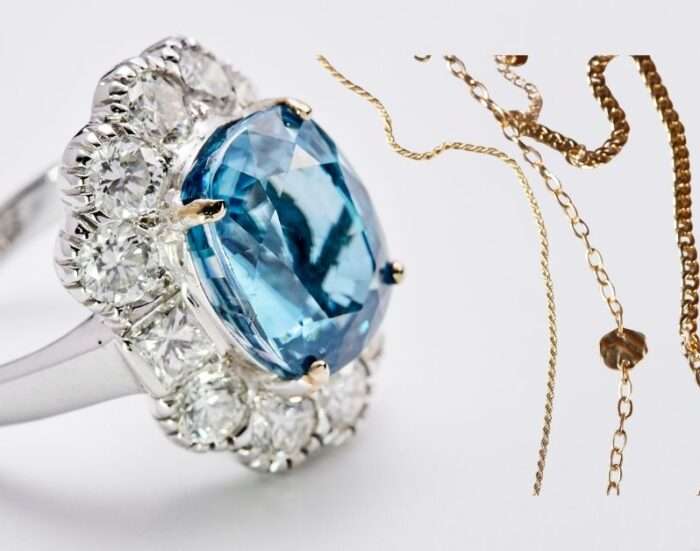
Art Deco Jewelry: Interesting Facts You Should Know
Have you inherited art deco jewelry and kept it safely in your storeroom? Are you curious about the historical story behind a 1920s–1930s piece? Or do you want to know what metals, gemstones, and other materials were used to make it?
If so, it’s time to contact an experienced antique jewelry appraiser online or near your area. A professional appraisal will help you understand the history, materials, condition, and potential value of your jewelry. You might even find an old piece you’ve been storing is much more precious than you thought.
Here are some of the important things you can learn during an appraisal session. Let’s take a look at the history and features of this beautiful Jazz Age jewelry.
What Do You Have in Your Vintage Art Deco Jewelry?
One of the first things an appraiser will look at is the materials used to make your vintage Art Deco jewelry. If you own an art deco engagement ring, necklace, bracelet or other piece of jewelry, knowing what metals and gems are in it can provide useful clues to its age and value.
Some pieces may be more sought after by collectors of antique jewelry because they may contain rare materials or possess intricate craftsmanship.
Common Materials and Features of Art Deco Jewelry
White metals: White gold, platinum, sterling silver, silver plated metal, nickel silver and other white base metals.
Other common features include:
Geometric Patterns and Shapes – The Art Deco period is known for its bold shapes, symmetry, and strong lines.
Filigree – Artistic work of fine (twisted) wire, generally of gold and silver.
Colorful Gemstones – Bright gemstones were often used to create an attractive contrast and a visually appealing look.
Enamel – Colorful enamel work may improve the beauty and character of period jewelry.
Those characteristics can help an appraiser determine the period of design and craftsmanship of a piece.
What Is the Origin of Your Antique Art Deco Jewelry?
A very important part of appraising art deco jewelry is learning the story of the piece.
An appraiser may try to determine when and where the jewelry was made. Registration marks, hallmarks and maker’s marks, weight, the type of metal used, design features and other details can be useful clues to its provenance.
For collectors, finding out the history of a piece can make it a lot more interesting, and can even affect its value.
What Is the Condition of Your 1920s Jewelry?
The condition of your 1920s jewelry can play a huge role in how desirable it is and what it might be worth.
An appraiser will be looking closely for scratches, missing stones, broken settings, repairs or other minor or major damage. Sometimes it’s little things that help you determine the current state of your antique or vintage ornament.
Collectors may prefer a well-preserved piece with all of its original features over a heavily repaired or altered one.
Is Your Art Deco Jewelry Real or Fake?
Authenticity is another important part of evaluating art deco jewelry. An experienced appraiser may look at hallmarks, jeweler or maker marks, labels and other identifying details to see if the jewelry looks real.
Gemstones may also be examined under magnification to check their color, clarity, inclusions, and other characteristics.
For example, if you own a pair of art deco earrings, professional examination can help determine whether the metals and stones are consistent with the claimed period and style.
Tip: Avoid relying only on appearance when trying to determine whether vintage jewelry is genuine. Professional examination can provide a much better understanding of the piece.
Why Is an Art Deco Jewelry Appraisal Important?
Finding an old piece of jewelry can be exciting, but judging its value by its appearance can be misleading. Two similar pieces can vary greatly in value depending on the maker, the materials used, the condition, the age, rarity or history.
Before you decide to sell, insure, restore, or keep the piece as part of your collection, a professional art deco jewelry appraisal will be able to tell you what you really have in your possession.
What Can You Learn From an Appraisal?
Appraisal can help you to discover:
The approximate age and provenance of the jewelry
Second-Hand Metals and Gems
Maker/Hallmark information
The state of the piece
If the jewelry looks real
Important historic and design details
Market value factors that may influence it
Where to find the best antique jewelry appraisal?
We are a licensed jewelry buyer store that offers appraisals for antique, vintage, and estate jewelry. Our experts have experience inspecting jewelry and can help you understand the factors that could impact its value.
Whether you are nearby or anywhere in Florida, you can get professional help with antique jewelry appraisals online or in person, making it easier to get help.
Don’t forget that old piece of art deco jewelry lying around your house, it could have some history or value. Contact us to find out more about your jewelry and check out our other resources on antique and vintage pieces.
Frequently Asked Questions
What is Art Deco Jewelry?
Art Deco jewelry refers to jewelry associated with the Art Deco period, particularly the 1920s and 1930s. It is often defined by its geometric shapes, bold patterns, intricate metalwork and colorful gemstones.
How To Tell If Your Art Deco Jewelry Is Real?
Hallmarks, maker’s marks, materials, construction, gemstones and design details can all provide clues. If authenticity is a concern, a professional appraisal is recommended.
Is art deco jewelry worth anything?
“It might be. Age. Maker. Materials. Gemstones. Rarity. Condition. Authenticity. Background.
Are Art Deco engagement rings popular?
Yes. Art Deco engagement rings are popular among collectors and those seeking unique vintage jewelry for their geometric patterns, intricate details and vintage appeal.
Should I get my vintage Art Deco jewelry appraised?
If you want to know more about its authenticity, history, materials, condition or potential value, a professional appraisal can be very helpful.
Conclusion
Art deco jewelry is more than an attractive piece of vintage fashion. Its design, materials, craftsmanship, age, condition, and history can all tell an important story. If you have inherited an old ring, bracelet, necklace, or pair of earrings, don’t simply leave it forgotten in a drawer or storeroom.
A professional appraisal can tell you what the piece is made of, where it may have originated from, whether it appears to be authentic and what may affect its value. Whether it’s antique art deco jewelry or a family heirloom from the 1920s-1930s, having it properly examined can help you make a more informed decision about its future.

Engraving and Etching Techniques from Jewelry Experts
Engraving and etching are two popular techniques used in jewelry making. Both can turn a simple piece of metal into a beautiful work of art. While these methods may look similar, they are done differently.
Learn about engraving and etching to see how jewelry owners, collectors, and buyers get designs added to jewelry. Workshops offer help to beginners from jewelry experts and guidance on the correct tools, materials and methods.
As a non-expert, it can be difficult to tell the difference between engraving and etching. However, understanding how each technique works makes it easier to see the difference and appreciate the skill involved.
What Is Engraving?
Engraving is the act of cutting a design, image, pattern or text into a hard surface. In jewelry, this is usually done on metals to create decorative or personal designs.
The skilled engraver removes part of the surface of the metal with a cutting tool. The design can be simple, such as a name or date, or more detailed, such as flowers, patterns or other artwork.
How Does Jewelry Engraving Work?
Jewelry engraving is often done the old-fashioned way, by hand. Then the engraver cuts the metal with a fine tool to produce the desired design. If you want a more even or repeated design, you can also use machine engraving.
The quality of the final design depends on the skill of the person doing the work, the tools used, and the type of metal.
What Is Laser Engraving?
With modern technology, laser engraving jewelry has become another popular option. A laser heats the metal surface and forms small cavities that make the design or text visible.
Laser engraving can create detailed names, numbers, patterns, and other designs on jewelry and silverware.
What Is Etching?
Etching is another old technique for applying designs or markings to metal. Etching is a different process from engraving, not based primarily on cutting the metal with a tool.
In traditional etching, parts of the metal are coated with an acid-resistant material, such as wax. The design is then drawn on the surface and acid applied. The acid reacts with the exposed areas to produce the desired mark.
Such traditwork shows the long history and skill of making jewelry.ional
What Is Laser Etching?
Laser etching is a process that uses a laser beam to etch or engrave a surface. The laser beam is focused onto the surface, where it vaporizes a small amount of material, creating a permanent mark or design.
This process can be used on a variety of materials, including metal, plastic, glass, and wood, and is commonly used for marking parts, creating logos or designs, and engraving personal items such as jewelry or trophies.
Today’s laser-etched jewelry is made by marking the surface of the metal with lasers. The laser doesn’t go all the way through the metal, it changes or removes a very thin portion of the surface to make the design.
If you want a detailed mark without cutting deep into the jewelry, this technique can be useful.
Engraving vs Etching: What’s the Difference?
The difference between engraving and etching is primarily in the method of creating the design.Engraving is a physical process. A cutting tool takes off part of the surface to make a design. Etching is a traditional chemical process, using acid to place a mark on a surface.
In simple words:
- Engraving: Cutting the surface with a tool.
- Etching: The surface is marked by a chemical process.
- Laser engraving: The laser burns away material to create a deeper mark.
- Laser etching: A laser makes a shallow mark on the surface.
Importance of Engraving & Etching in Jewelry
Both techniques allow the jeweler to add character and personality to a piece. Jewelry can be made more personal and meaningful by adding names, dates, symbols, patterns and other designs.
These details can also be useful information for collectors and buyers of a piece. A design, name, date or a maker’s mark might give clues to the history of a piece to an expert.
A professional jewelry appraisal can give you more information on the age, design, materials, or possible value of an engraved or etched piece.
Traditional and Modern Techniques
The jewelry industry still employs both traditional and modern methods. The hand engraving and traditional acid etching require lots of care and experience but with the laser technology skilled workers are able to make accurate and detailed marks.
Why New Technology Is Useful?
Modern engraving and etching techniques can make the process faster and more accurate. Laser technology can also create small and intricate designs that may be difficult to make by hand.
Traditional methods are however still very important as they show the skill and craft behind older and antique jewelry.
Frequently Asked Questions
Is etching the same as engraving?
No. Engraving is usually cutting into the material with a tool, and traditional etching is a chemical process to make a mark on the surface.
Which lasts longer engraving or etching?
Engraving tends to be more permanent because the design is usually cut deeper into the material. However, the life of either design is a function of the material, depth, and wear.
Yes, you can use lasers for etching as well as engraving.
Yes. Lasers can be used for both engraving and etching. The main difference is how deep the laser penetrates the material and how it produces the final mark.
Does engraving and etching add value to jewelry?
They can bring beauty, meaning, or interest to a piece, but they don’t necessarily add value to it. Jewelry value can depend on many factors such as age, maker, material, condition, rarity, design and history.
Do I need to have my engraved or etched jewelry appraised?
If you have an antique, vintage or valuable item, a professional appraisal can help you better understand the materials, age, condition and possible value. Also you can use it to see if an engraving or etched design is original to the piece.
Understanding the Value of Engraving and Etching
According to jewelry experts, engraving and etching can serve similar purposes, but the material, durability, design, and method can be different. Both traditional skills and modern technology have an important place in the jewelry industry.
With new tools, jewelry makers can make even more detailed and personal designs. Traditional engraving and etching still have their place, because they show the skill and history of the jewelry craftsman.
Understanding these techniques can help buyers, collectors, and jewelry owners better appreciate the work behind each unique piece.
For more details, visit our website: https://antiquejewelrybuyers.org/
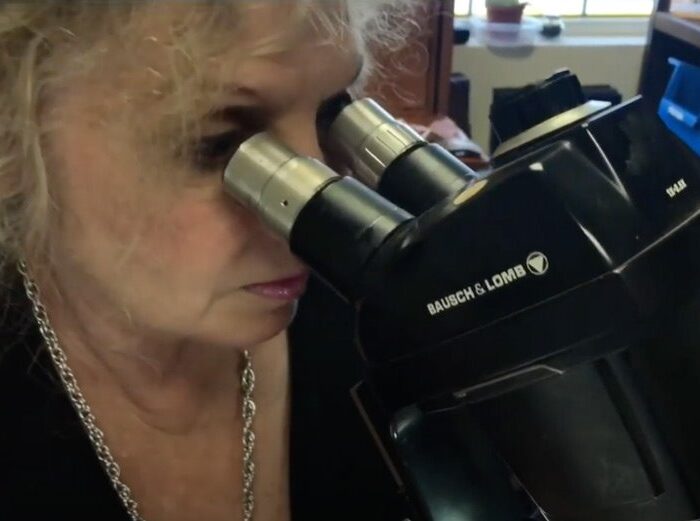
How to Find the Best Jewelry Appraisal Services Near You?
If you have jewelry that you want to sell, insure, or inherit, you may need to have it appraised by a professional. A jewelry appraisal is a document that states the value and quality of your jewelry based on an expert’s examination. However, finding reliable Jewelry Appraisal Services can be challenging, especially when you have different jewelry types that may require different appraisal standards.
Choosing the wrong appraiser could leave you with an inaccurate value or a report that does not meet your needs. The good news is that knowing what to look for can make the process much easier.
What Is a Jewelry Appraisal and Why Do You Need One?
A jewelry appraisal is a written report describing the jewelry’s characteristics and condition, such as the metal, gemstones, design, and craftsmanship. It also provides an estimate of the jewelry’s value based on its purpose, current market conditions, and comparable sales.
A professional appraisal can be useful for several reasons:
Jewelry Appraisal for Insurance
If you want to protect your jewelry from loss, theft, or damage, you may need a Jewelry Appraisal for Insurance purposes. The appraisal typically establishes a replacement value, which represents the estimated cost of replacing your jewelry with a similar item of comparable quality and style.
Because jewelry prices can change over time, it is a good idea to review your insurance appraisal periodically and update it when necessary.
Jewelry Appraisal for Selling
If you want to sell jewelry, getting a Jewelry Appraisal for Selling can help you understand its potential fair market value. This is generally the price a willing buyer and willing seller might agree upon in an open and competitive market.
Understanding the value before approaching buyers can give you a better starting point and help you avoid accepting an offer without knowing what your jewelry may be worth.
Estate Jewelry Appraisal
If you inherit jewelry from a deceased relative or friend, an Estate Jewelry Appraisal may be needed for estate settlement or probate purposes. The value may be based on the appropriate valuation date and could be different from the jewelry’s current market value.
Because estate valuations can have legal and tax implications, it is important to work with an experienced professional.
How to Choose a Jewelry Appraiser Near You
Not all jewelry appraisers have the same experience or qualifications. If you are searching for Jewelry Appraisal Near Me or a Jewelry Appraiser Near Me, take some time to check the professional’s background before handing over valuable pieces.
A qualified appraiser should have the following:
Education and Training
A jewelry appraiser should have formal education and training in gemology, the science of identifying and evaluating gemstones. Look for professionals with recognized gemological education, such as training through the Gemological Institute of America (GIA).
A knowledgeable appraiser should also understand jewelry history, styles, manufacturing techniques, gemstones, precious metals, and current market conditions.
Experience and Specialization
Experience matters, particularly when you own a unique, old, or valuable piece. For example, if you have antique or vintage jewelry, look for an appraiser with experience in Antique Jewelry Appraisal and historical jewelry.
Likewise, an appraiser familiar with estate jewelry may better understand the requirements involved in estate and probate valuations.
Certification and Accreditation
When looking for a Professional Jewelry Appraisal, check whether the appraiser belongs to a recognized professional organization. Organizations such as the American Society of Appraisers (ASA), Appraisers Association of America, and International Society of Appraisers (ISA) provide professional resources and standards for appraisers.
Membership, education, and experience can help you identify an appraiser who takes professional standards seriously.
Reputation and References
A reputable appraiser should have positive feedback and a professional reputation. Check online reviews and testimonials, and ask for references when appropriate.
You can also ask friends, family members, or other jewelry owners about their experiences. However, don’t rely on recommendations alone. Take time to verify the appraiser’s qualifications and experience before making your decision.
Local Jewelry Store
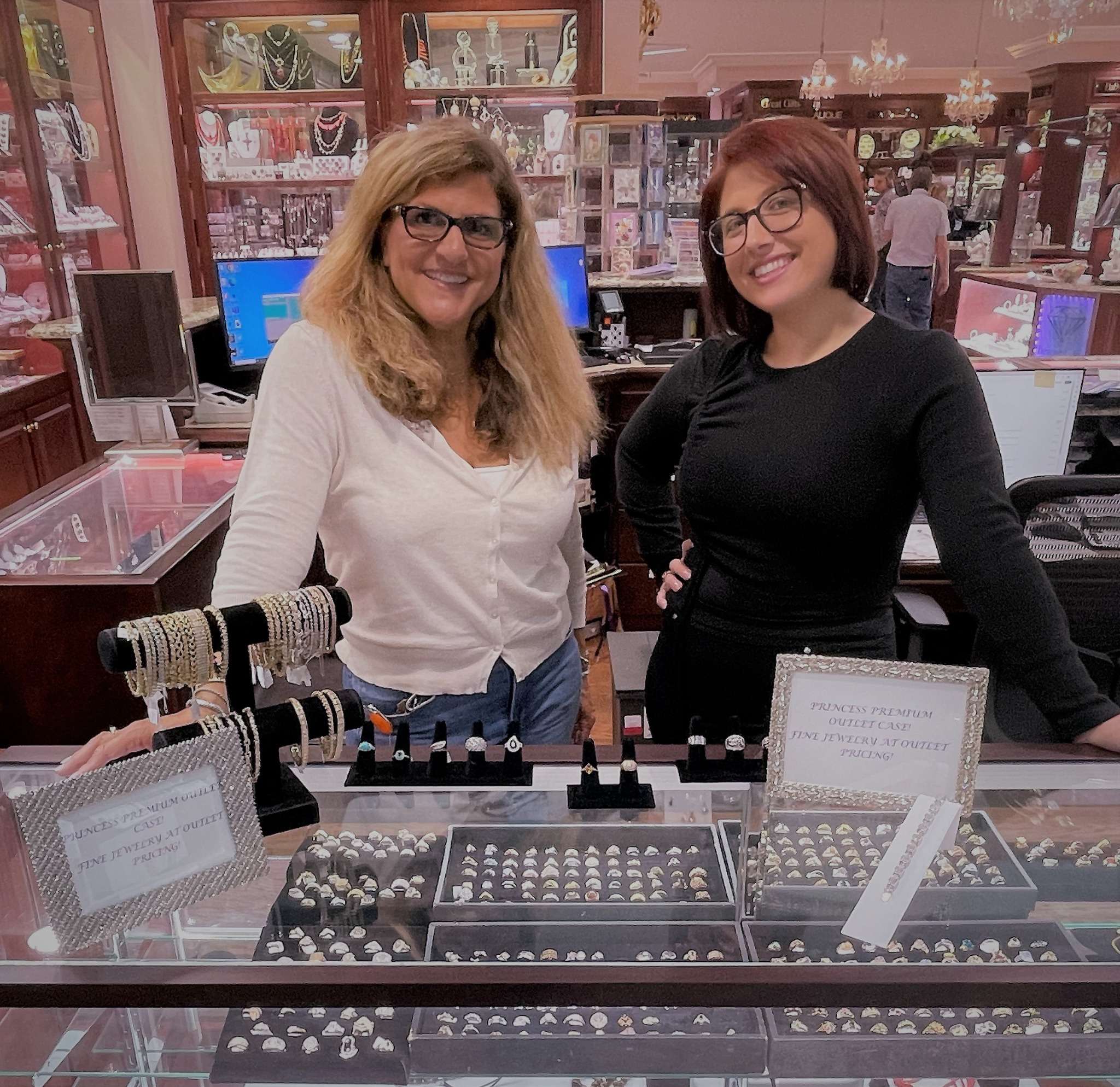
You can visit a local jewelry store and ask whether it provides appraisal services. Some stores have in-house appraisers, while others work with independent professionals.
However, be aware of potential conflicts of interest. A business that also wants to buy your jewelry may have a different interest from an independent appraiser. Always check the credentials and reputation of the appraiser before proceeding.
How to Prepare for a Jewelry Appraisal
Once you find the right professional, a little preparation can make your appointment more useful.
Clean Your Jewelry Carefully
You can gently clean your jewelry with a soft cloth, warm water, and mild soap if appropriate. A soft-bristled toothbrush may help remove dirt from small areas.
Avoid harsh chemicals, abrasives, or ultrasonic cleaners unless you know they are safe for your specific jewelry. Some gemstones and older jewelry can be damaged by improper cleaning.
Gather Your Jewelry Documents
Bring any documents related to your jewelry, including receipts, certificates, warranties, previous appraisals, and gemstone grading reports.
These records may help the appraiser understand the jewelry’s history, authenticity, quality, and previous valuation. However, the appraiser should still examine the actual piece rather than relying only on paperwork.
Know Your Purpose
Before your appointment, be clear about why you need the appraisal. Are you looking for an insurance value, fair market value for selling, or an estate valuation?
Different purposes may require different types of values and reports. You should also ask about the report format and appraisal fees before the appointment.
How to Get the Most Out of Your Jewelry Appraisal
After receiving your appraisal report, don’t simply put it away and forget about it. Take time to review it carefully.
Review Your Appraisal Report
Check that the report accurately describes your jewelry, including its materials, gemstones, condition, design, quality, and stated value.
Also check the appraiser’s credentials, the date of the appraisal, the purpose of the appraisal, and any other important details. If something is unclear, ask the appraiser for an explanation or correction.
Use Your Report for Its Intended Purpose
If the appraisal was prepared for insurance, provide a copy to your insurance company and discuss whether your coverage should be updated.
If you obtained the appraisal for selling, you can use the information to better understand your jewelry before speaking with potential buyers.
For inherited jewelry, provide the appropriate documentation to your attorney, executor, or tax professional and follow the applicable estate procedures.
Frequently Asked Questions
How often should jewelry be appraised?
The timing depends on why you need the appraisal and how much jewelry values have changed. Insurance appraisals may need periodic updates to reflect changing replacement costs.
Should I get an appraisal before selling my jewelry?
A Jewelry Appraisal for Selling can help you understand the characteristics and potential market value of your jewelry before discussing offers with buyers.
Can an appraiser value antique jewelry?
Yes. However, for valuable or historically significant pieces, it is best to choose someone with specific experience in Antique Jewelry Appraisal.
Conclusion
Finding reliable Jewelry Appraisal Services can feel difficult when you don’t know what qualifications to look for. But taking the time to research an appraiser’s education, experience, professional credentials, and reputation can help you make a more informed choice.
Whether you need a Jewelry Appraisal Near Me for insurance, selling, inheritance, or another purpose, the right professional can provide useful information about your jewelry’s characteristics and value. With a proper appraisal in hand, you can move forward with greater confidence and make better decisions about your valuable jewelry.
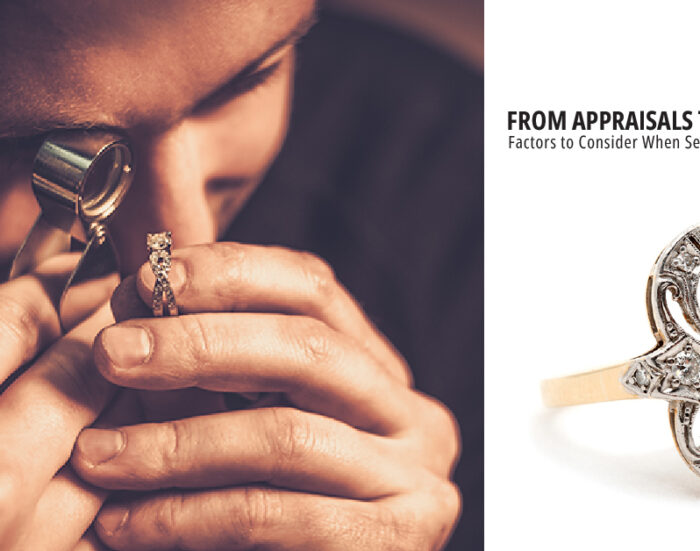
Key Factors to Consider When Selling Your Fine Jewelry
Antique fine jewelry is a highly desired luxury item, and many people choose to sell their pieces to fine jewelry buyers to get the most value. Why would people sell nice jewelry? A lot of reasons. Some people inherit a collection and want to cash it out rather than keep it. Some are experiencing financial difficulties and need to sell their collection, while others simply feel the time is right to part with jewelry that they have treasured for years.
Whatever the reason for selling, there are some key things to think about before you try to sell an antique piece of jewelry. You want to know where to sell fine jewelry for the best price so you get the most back.
Expert Tips from Antique Fine Jewelry Buyers
Get tips from the pros. Always a good idea. Most collectors of antique jewelry will tell you that knowing the details of your jewelry, doing your market research, assessing the condition of your jewelry, and finding the right buyer are all important steps in getting the best value possible.
Know the Details of Your Fine Jewelry
First, you need to know the exact details of the piece. This includes its age, style, the metal and stones used, and its maker or designer. Such information is available on the item or through a qualified appraiser. Knowing these details will help you determine the jewelry’s value and market it more effectively.
Research the Fine Jewelry Market
Secondly, you need to research the market and trends when selling jewelry. Knowing the prices of similar pieces and the current demand from buyers is important. Knowing which styles are hot and what buyers will pay can help you price competitively to sell.
Check the Condition of Your Jewelry
Thirdly, the condition of the piece must be determined. Visible damage, such as scratching or discoloration, can greatly decrease its value. It’s also wise to have the piece evaluated by a certified jewelry buyer or appraiser to verify authenticity and identify any hidden damage or repairs.
Where Is the Best Place to Sell Fine Jewelry?
Fourth, it’s important to find the right buyer. Where you decide to sell your jewelry can have a big impact on what you ultimately get for it. Fine jewelry, including antiques, can be sold at auctions, online marketplaces, or to trusted jewelry buyers. Getting a reliable buyer will increase your chances of getting a fair price.
Be Patient for the Right Offer
Finally, patience is needed. “Antique jewelry might take longer to sell than modern jewelry. There will be plenty of buyers interested, but they may not want to pay your asking price. Timing for the buyer can often mean a better return.
Selling antique jewelry can be very rewarding, and you can get the best possible price if you do your homework and research, get your jewelry appraised, find a reputable buyer, and be patient.
Best Place to Sell Fine Jewelry
Along with understanding what influences your selling price, it’s equally important to choose the best place to sell fine jewelry for the highest return.
There’s a growing trend of people selling jewelry online. It might sound odd, but good sellers can sell individual pieces on online markets like eBay. But before opting for this option, don’t forget to consider the listing fees and selling commissions.
Or you can deal with a professional buyer who advertises “we buy fine jewelry.” Do some research on the buyer to make sure they are a reputable one before you move forward. Never give away your jewelry until you get your money.
Once you know what to look for when selling fine jewelry and where to sell it, you’ll be in a much better position to find trusted antique fine jewelry buyers and get the most value for your cherished pieces.
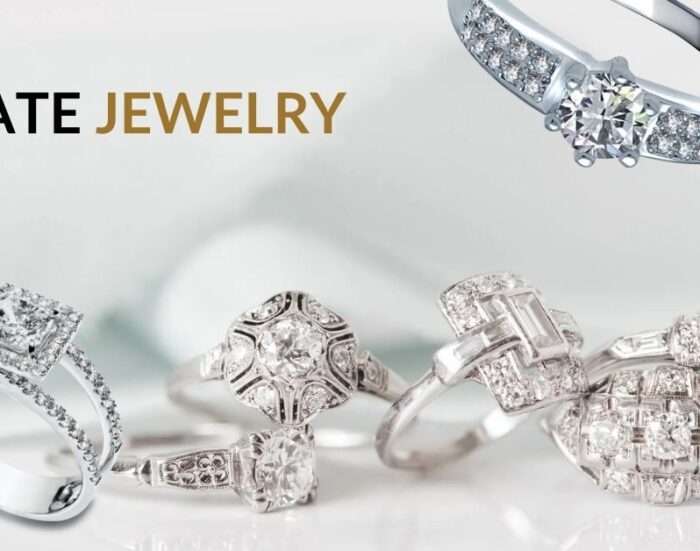
Best Time to Sell Estate or Antique Jewelry for Maximum Value
Are you confused about whether to sell your inherited jewelry or keep it for memories? These pieces have strong emotional value, but keeping them unused for a long time may reduce their beauty and condition. Jewelry needs care to stay in good shape. If it is stored without use or maintenance, it may slowly lose its shine and value. Still, selling estate jewelry is not easy because it carries personal and family memories.
Ways to Deal with Vintage and Estate Jewelry
There are several ways to sell estate jewelry, but the right approach and timing are key. The options should be profitable without diminishing sentimental value. Here are some favorable options from the best gold buyer:
1. To release the burden of financial obligations
If you face financial hardship, selling antique jewelry locally is a common solution. Sometimes, possessions must be sold for financial relief, even with sentimental attachment.
Sell diamond jewelry for top cash to certified estate buyers. Rare ancient jewels often fetch high prices. The money earned can help solve financial issues.
Antique jewelry with sentimental value can be the key to financial comfort. Visit a reputable place to sell jewelry or sell online for the highest price.
2. You can recreate the latest and fashionable jewelry for yourself.
Ancestral jewelry may not suit today’s fashion trends. Find reputable estate buyers for safe jewelry transactions without personal ties.
Buyers accept pieces from various eras, including Art Deco, Victorian, and more. If you dislike the design, selling inherited fine jewelry for cash is a guilt-free option.
Use the cash you receive to create new designs for necklaces, rings, bracelets, pendants, or other jewelry items.
3. There is nothing to be awful
Many people sell jewelry from deceased relatives at antique stores. Because it connects to loved ones, timing feels important to avoid guilt. Selling inherited jewelry can be tough emotionally.
Jewelry owners often wonder if selling a keepsake is appropriate, fearing bad luck or offending the deceased. Relax; nothing bad will happen.
Memories are stored in our minds and cannot be removed. Even without memories tied to estate jewelry, people may feel bad about selling it. However, this is normal and nothing to feel guilty about.
Friendly Reminder: Get jewelry appraisal who offers a free antique evaluation to save money and learn more about your jewelry.
Conclusion
If you decide to sell estate jewelry, make sure you work with a trusted buyer to receive a fair and accurate appraisal. Selling a cherished piece can help you unlock its value while preserving the memories it represents. Contact us today for a free evaluation and discover the true worth of your antique or estate jewelry.
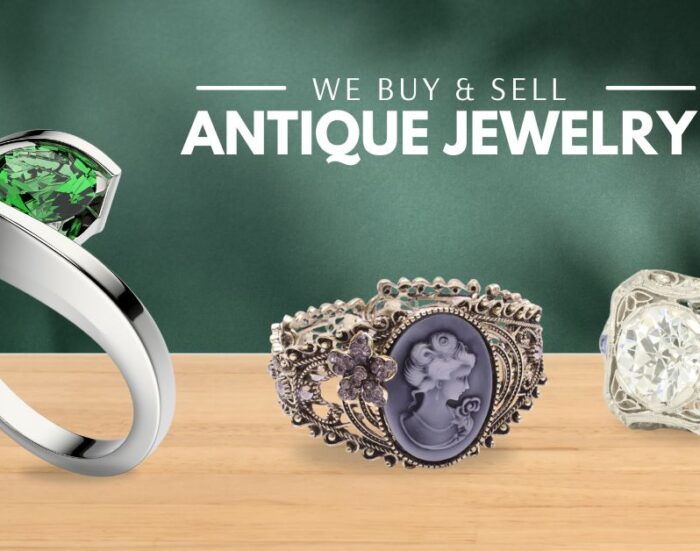
Why antique jewelry is making a big comeback in 2026?
Antique jewelry has always been more than just decoration—it’s a way to tell your story and keep memories alive. But what do you see when you walk into a jewelry store today? Rows of shiny pieces that look nearly identical. While they may be popular, they often lack the history, craftsmanship, and uniqueness that make a piece truly special.
For many buyers, but especially those on the younger side, jewelry doesn’t feel personal in the same way. They want things that feel unique, special and real. Of course, with the explosion of everything vintage in 2026, it only makes sense that antique jewelry would also experience a renewal.
What the Jewelry Market Needs Right Now
Let’s face it: a lot of the jewelry that’s made today, no matter the price, has no soul. It designed to be sold fast, not saved for a long time. By comparison, each Victorian brooch, Edwardian necklace or Art Deco ring was produced with utmost care, quite possibly by hand, and has a story that dates back 40 or 100 years (or a couple hundred).
With an increasing number of individuals going against fast fashion and mass consumerism, the trend for jewelry that has its own unique personality is through the roof in 2026.
Here’s why antique jewelry is making people fall in love again:
1. Sustainability is More Important Than Ever
People who buy things these days care about the environment. They know that getting new diamonds, gold, and gemstones from the ground hurts the planet a lot. Antique jewelry is the best way to recycle because you don’t use any new resources and you still get to enjoy the sparkle and beauty. It’s a guilty-free luxury.
2. Each Piece Has a Story
Antiques are full of romance and mystery, unlike new things from the store that don’t have any history. Imagine being able to wear a ring that signified love in the Victorian era or a necklace that managed to hold its own amid the 1920s glitz and glam. This sort of jewelry doesn’t just match your outfit, it connects you to the past.
- Victorian (1837–1901): Romantic lockets, acrostic rings with meanings, and even mourning jewelry made with hair.
- Edwardian (1901–1910): Many of them were dainty and light, delicate platinum filigree for a super-ethereal look.
- Art Deco (1920s–1930s): Brightest gemstones, most graphic shapes.
Antique jewelry is more than just an accessory; it’s wearable art that tells a different story from each era.
3. The More Rare Something is, the More Valuable It Is.
Modern jewelry is everywhere because it is made in large quantities. But what about old jewelry? Very rare. Not every wrist will have the same Edwardian filigree bracelet or mid-century sapphire brooch. This rarity not only makes old things more valuable, but it also makes them worth more in the long run.
4. Vintage Styles are Coming Back in Style.
Fashion always comes back around, and 2026 is no different. Brooches, big turquoise stones, pearls, and Art Deco-inspired designs are making a comeback on the runway and on Hollywood red carpets. Antique jewelry fits right in with these trends and gives wearers a real edge.
5. Possible Investment
Antique jewelry often increases in value over time, while modern jewelry loses value as soon as you leave the store. People who collect, invest in, or just buy antique jewelry are starting to see that it is both a fashion statement and a smart financial move.
Why you should buy antique jewelry in 2026
So, what do we do about the jewelry identity crisis? Jewelry from long ago. It’s not enough to just own something pretty; you also need to own something that means something to you.
Here is how accepting old things can help modern buyers:
- Restored Uniqueness: Antique jewelry makes sure that you stand out. You have something that no one else has when you wear a Victorian ring or an Art Deco brooch.
- Conscious Luxury: You can enjoy timeless sparkle without hurting the environment in the present.
- Connection Through History: Each piece is a way to start a conversation and connect with stories and times that have passed.
- Long-Term Value: Antiques are often worth more as time goes on, unlike fast fashion jewelry. This makes them treasures that are worth keeping (or passing down).
And in places like Florida where antique jewelry is popular, buyers are reporting a huge increase in demand, especially for estate pieces and heirloom rings. This shows that this trend is getting stronger every day.
How to Start Your Journey with Antique Jewelry?
You’re not the only one who thinks this sounds exciting; collecting antique jewelry is one of the most popular trends in 2026. But here are some things to think about before you jump in:
- Do Your Research: Find out the diffrent fashion from diffrent times, like Victorian, Edwardian, Art Deco, and Retro, so you can get what works best for you.
- Check for Hallmarks and Craftsmanship: Real antique jewelry often has maker’s marks, stamps, or other unique details that make it different from copies. Look for signs of age, such as patina, setting styles, and things that were made by hand.
- Start Small and Think Smart: If you are starting now, start with cheap and multi-purpose items like antique lockets, brooches, or simple rings. They’re stylish, easy to wear and more affordable.
- Combine the Old with the New: You can wear an old brooch with a new blazer or an Edwardian necklace with a casual outfit. This gives you new look, good personality to stand out.
- Buy from People you can Trust: Always choose professionals who specialize in antiques, whether it’s a reputable antique jewelry buyer, an auction house, or an appraiser. This guarantees that the item is real, that the price is fair, and that you can relax.
- Plan for the Long Term: Buying antique jewelry is lot’s more than a purchase, but it is an investment. Choose pieces you’ll enjoy wearing now and treasure for years to come.
Conclusion
Antique jewelry isn’t just about looks—it tells a story. In 2026, people are choosing these special old treasures instead of the same kind of new jewelry everyone else has. Antique pieces carry meaning, rarity, and timeless beauty that modern jewelry often lacks. They also hold history and investment value.
So, the next time you see a shiny piece in a glass case, ask yourself: do you want jewelry that only looks good, or a story you can wear? Antique jewelry isn’t just making a comeback—it’s here to stay. And maybe, just maybe, the best piece of history is waiting for you.
Are you ready to start your journey? Find antique jewelry buyers you can trust to help you sell heirlooms for their true value, appraise your treasures, or guide you in buying new ones. This is where the next chapter of your jewelry story begins.

The Ultimate Guide to Gold Jewelry Markings: Decoding 750, 585, 417, and Beyond
Jewelry is more than just something to wear; it shows your status, love, heritage, and skill. Each piece has a story, and the small marks that are stamped on its surface often tell that story. These numbers and symbols, like 750, 585, 417, 925, and 950, tell you important things about the piece’s composition, origin, authenticity, and sometimes even who made it. We will explain what these markings mean in this complete guide so that you can find out what your jewelry is really worth and what its history is.
What do jewelry markings mean?
Hallmarks, stamps, and other jewelry markings are all ways for buyers, sellers, and collectors to be sure that the item is real and of good quality. These small engravings not only show the type and purity of the metal, but they may also give clues about the maker and where it came from. To figure out how much a piece is worth, check its authenticity, and make smart buying decisions, you need to know how to read these hallmarks. These marks can also tell you about the history and craftsmanship of antique and vintage jewelry.
Decoding the “750” Mark: 18-Karat Gold
A “750” stamp means that the jewelry is made of 75% pure gold, which is the same as 18-karat gold. The other 25% is made up of alloys like copper, silver, or palladium, which make the metal stronger and last longer. This blend is popular in fine jewelry because it looks expensive, lasts a long time, and is good for pieces that are worn every day. Buying 18K gold guarantees a high level of purity and makes it strong enough to stand up to everyday wear, which is a sign of both quality and usefulness.
Understanding the “585” Mark: 14-Karat Gold
A “585” stamp on jewelry means it is made of 58.5% pure gold, which is the same as 14-karat gold. People in the US and Europe love this alloy because it is cheap, hard, and has the warm, rich look that gold lovers want. If you want everyday jewelry that will last and look good, 14K gold is a smart and trusted choice.
Explaining the “417” Mark: 10-Karat Gold
A “417” mark shows the jewelry includes 41.7% pure gold, identifying it as 10-karat gold. This is the minimum legal standard for gold jewelry in countries like the United States. The higher percentage of alloyed metals (such as copper and silver) makes 10K gold pieces highly durable and budget-friendly, though they may have a paler color compared to higher-karat options. This marking is ideal for those prioritizing strength and affordability in their gold jewelry.
Understanding the “925” Mark: Sterling Silver Explained
Jewelry stamped “925” is made of sterling silver, meaning it consists of 92.5% pure silver and 7.5% other metals, usually copper, for added strength. Sterling silver is prized for its brilliant shine, versatility, and classic appeal. Whether featured in designer pieces or everyday accessories, 925 sterling silver offers a great balance of beauty, durability, and value.
Decoding the “999” Mark: Pure Gold (24K)
A “999” or “24K” stamp means the piece is made from 99.9% pure gold—essentially pure gold with no significant alloying metals. This level of purity imparts a deep, rich yellow hue, but also makes the metal extremely soft and malleable. As a result, 24K gold is usually reserved for investment products, collectible coins, or ceremonial pieces rather than jewelry intended for daily wear.
Platinum Markings: What Does “950” Mean?
Platinum is a premium jewelry metal, and a “950” mark signifies that the piece is 95% pure platinum. This high purity makes platinum jewelry exceptionally strong, naturally white, and hypoallergenic—ideal for sensitive skin. Platinum’s rarity, weight, and enduring luster make it highly desirable for luxury pieces such as engagement and wedding rings. Other platinum marks, like “900” (90% pure), may also appear, but “950” remains the industry standard for fine jewelry.
Manufacturer’s Marks: Identifying the Maker
Besides metal content stamps, most fine jewelry features a manufacturer’s mark—such as a logo, initials, or signature. These marks help trace the piece to a specific jeweler, designer, or brand, greatly aiding in authentication and sometimes increasing value for collectors. Collectors and appraisers often reference databases of these marks to identify and date pieces, ensuring provenance and authenticity.
Country of Origin Hallmarks: Why They Matter
Country of origin hallmarks, such as national symbols or specific assay office marks, indicate where a piece was manufactured or tested for quality. These marks are especially important for antique and vintage jewelry, as they can significantly impact a piece’s historical and monetary value. For instance, French jewelry often bears an eagle’s head for gold, while British jewelry may show a lion passant for sterling silver. Knowing how to interpret these marks can reveal fascinating details about a piece’s history, authenticity, and collectability.
Modern Innovations: Laser Engraving and Micro-stamping
Technological advancements in the jewelry industry have led to new methods such as laser engraving and micro-stamping, which allow for more precise, discreet, and tamper-resistant markings. These innovations preserve essential information—such as metal purity, origin, and maker—without detracting from a piece’s aesthetics. Additionally, digital tracking and blockchain-based provenance systems are emerging, further enhancing traceability and safeguarding against counterfeiting.
Conclusion: Why Jewelry Markings Matter
Jewelry markings are more than just numbers or symbols; they are important tools for finding out the real value, authenticity, and story of a piece. You can make smart choices, avoid fakes, and appreciate the art and history behind each piece by learning how to recognize and read these stamps. If you collect, invest in, or just love jewelry, knowing how to read jewelry markings will make your experience better and help you get the most out of your favorite pieces.
Each tiny stamp tells its own story. For example, gold purity numbers like 750, 585, and 417, as well as the maker’s mark on platinum, sterling silver, and even the maker’s mark. The next time you admire a ring, necklace, or bracelet, look for these small details. They will tell you how much your jewelry is worth, where it came from, and if it is real.
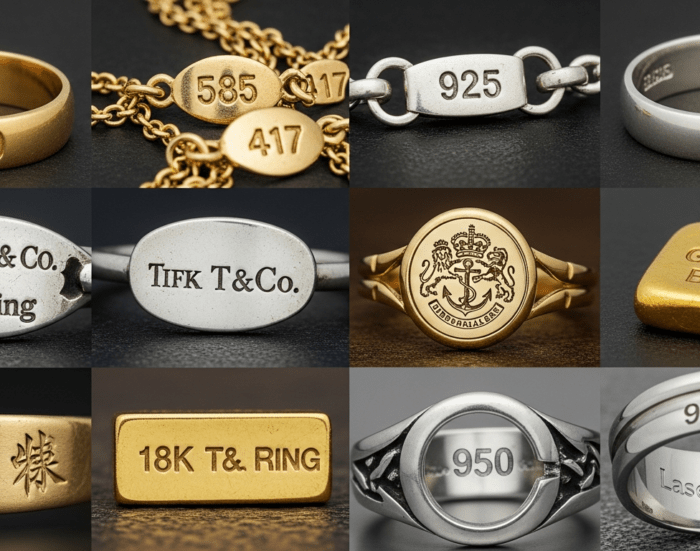
How to Read Jewelry Markings: Identify Real Gold, Silver & Platinum
When it comes to precious metals and fine jewelry, authenticity and value are often determined by the smallest details. Those discreet stamps and symbols—sometimes overlooked—carry vital information about a piece’s metal content, origin, and legitimacy. For collectors, buyers, and even casual jewelry fans, learning to decipher these markings can reveal whether a piece is genuine or fake and can provide insights into its global journey.
What Are Jewelry Markings? (And Why Should You Care?)
Jewelry markings, also called hallmarks or stamps, are tiny but vital clues about your piece. They often indicate:
- Metal purity, for example, you might spot a small “750” inside a gold ring or “925” near the clasp of a silver chain.
- Maker or manufacturer (look for initials or symbols like “T&Co.” tucked behind a pendant)
- Country or region of origin (sometimes a hallmark reveals its home with a unique symbol, such as a lion for the UK, near the catch)
- Year or period of production (you may see a date letter engraved in a hidden spot, like inside the band)
Why they matter:
- They prove authenticity and help you avoid fakes.
- They reveal value for buyers, sellers, and collectors.
- They help trace a piece’s origin and age.
Spot Gold Hallmarks in Seconds
Gold jewelry is usually marked with three-digit numbers:
- 750 = 18-karat gold (75% pure gold)
- 585 = 14-karat gold (58.5% pure gold)
- 417 = 10-karat gold (41.7% pure gold)
Examples:
- A wedding ring stamped “750” is made of high-purity 18K gold—luxurious and valuable.
- A chain marked “585” is sturdy and affordable, perfect for daily wear.
- A ring with “417” is highly durable and budget-friendly, though paler in color.
Tip: Always look for these numbers inside rings, on clasp ends, or on pendant bails.
Silver, Platinum, and Other Markings
Silver:
- 925 = Sterling silver (92.5% silver)
- Example: A bracelet stamped “925” is bright and will tarnish over time—a sign of real silver.
Platinum:
- 950 = 95% platinum
- Example: An engagement ring marked “950” feels heavy, is naturally white, and resists tarnish.
Pure Gold:
- 999 = 24K gold (99.9% pure)
- Example: A gold bar stamped “999” is for investment, not for daily jewelry use, due to its softness.
Fake vs. Real: How to Tell the Difference
Not every mark guarantees authenticity. Here’s how to spot genuine pieces:
Verify Real Jewelry in Five Moves
- Inspect the marking: Check for clear, even stamps that are not easily scratched off.
- Weigh the piece: Compare the heft—gold and platinum feel heavier than fakes or plated items.
- Test with a magnet: Use a magnet to confirm that gold, silver, and platinum are not magnetic.
- Watch for discoloration: Spot green or black areas where fake gold plating wears off.
- Get it appraised: Have a jeweler conduct acid tests or provide expert analysis.
Warning Signs of Fakes:
- Stamps that are crooked, blurry, or missing
- Lightweight, tinny feel
- Markings that rub off easily
- A “925” ring that leaves a green mark on your finger is likely plated, not solid.
Regional Hallmark Systems: Europe, USA, Asia, and More
Hallmarking practices vary globally. Here are some key differences:
Europe:
- UK: Uses symbols (lion passant for sterling silver), assay office marks, and date letters
- Example: A British ring with a lion passant, anchor (Birmingham), and a letter “q” (year)
- France: Gold marked with an eagle’s head, silver with a Minerva head
- Italy/Switzerland: Often includes a maker’s registration number
USA:
- Gold marked as “14K,” “18K,” or with three-digit numbers (585, 750)
- Silver marked as “Sterling” or “925.”
Asia:
- India: “916” for 22K gold, “750” for 18K gold; look for the BIS Hallmark logo
- China: Numeric marks and sometimes Chinese characters
Tip: Always research the hallmarking system of the country you’re buying from.
Manufacturer’s Marks and Country of Origin
Besides purity stamps, look for:
- Maker’s marks: Unique initials or logos (e.g., “T&Co.” for Tiffany)
- Example: A ring stamped “18K T&Co.” = 18K gold by Tiffany & Co.
- Country marks: Indicate origin (e.g., eagle’s head for French gold, lion passant for British silver)
These help verify authenticity and can increase a piece’s value, especially for collectors.
Modern Trends: Laser Engraving, Micro-Stamping & Digital Tracking
- Laser engraving: Used on tiny or hidden spots (like inside rings)
- Micro-stamping: Invisible to the naked eye, it adds security.
- Digital tracking: Some fine jewelry now includes QR codes or blockchain certificates
Example: A platinum ring with a laser-engraved “950” and QR code for authentication.
Conclusion: Use Hallmarks to Your Advantage
Check for clear, crisp hallmarks. Compare markings to regional and maker standards. Confirm authenticity with at-home tests or professional verification.
- Use at-home tests and seek professional verification if unsure.
- Be cautious—if an offer seems too good to be true, it probably is
Understanding jewelry markings gives you power—protecting your investment, revealing history, and helping you appreciate the true value of every piece you own.
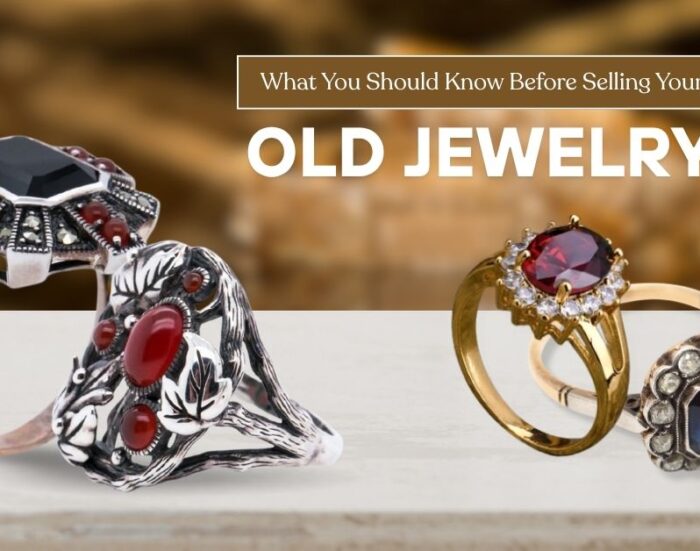
What You Should Know Before Selling Your Old Jewelry in 2026
Selling old jewelry can be both an enjoyable and challenging experience in 2025. As the used jewelry market continues to expand, being well-informed is essential. Many sellers face issues such as underpricing, falling for misleading buyers, or choosing the wrong sales channels. This comprehensive guide is designed to empower you, helping you avoid common pitfalls and maximize your returns. By learning how to evaluate your jewelry’s worth, identify its age, choose the best platform to sell, and protect yourself from scams, you can sell with confidence.
Step 1: Determine the True Value of Your Jewelry
Before listing your jewelry for sale, it’s crucial to understand its actual value. Without a professional appraisal, you risk selling valuable items at a loss or overpricing pieces and discouraging buyers. Seek an expert opinion from certified appraisers associated with reputable organizations like the Gemological Institute of America (GIA). These professionals assess your jewelry based on its age, craftsmanship, condition, material quality, and current market trends.
In 2026, many appraisal services offer free preliminary estimates over the phone or online, especially for estate and vintage jewelry. However, a formal written appraisal may come with a fee. Always verify credentials and reviews to ensure you’re working with a trusted professional.
Appraisal Checklist
Criteria | Details |
Credentials | GIA or equivalent certification |
Assessment Factors | Age, condition, craftsmanship, rarity, gem cuts, and market value |
Cost | Free verbal/phone estimates; formal written appraisals may require a fee |
Benefits | Avoids underpricing, guides pricing strategy, adds credibility |
Step 2: Understand the Difference Between Vintage and Antique Jewelry
Knowing the age of your jewelry can significantly impact its value and buyer interest. Mislabeling a vintage piece as “antique” (or vice versa) can reduce credibility and confuse collectors.
- Antique Jewelry: Over 100 years old (pre-1925 as of 2026). Commonly from the Georgian, Victorian, or Edwardian eras, these items are known for their handcrafted detail, unique gemstone cuts (like Old Mine or Rose Cut), and historical significance.
- Vintage Jewelry: Between 20 and 99 years old (1926–2005). This includes Art Deco, Retro, and Mid-Century Modern styles. While some pieces were mass-produced, they still hold value due to their design and era-based charm.
A certified appraiser can classify your jewelry by examining craftsmanship, materials, and hallmarks. For instance, machine-made elements often signal a vintage origin, while hand-engraved features may point to an antique piece.
Jewelry Age Comparison
Category | Age Range (as of 2026) | Key Features | Market Appeal |
|---|---|---|---|
Antique | 100+ years (before 1925) | Handcrafted, unique cuts, historic significance | Collectors, historians, niche buyers |
Vintage | 20–99 years (1926–20)05 | Retro, mid-century designs, possible mass production | Broader appeal, fashion-conscious buyers |
Step 3: Choose the Best Place to Sell
Where you choose to sell your jewelry directly affects the selling price, timeline, and ease of transaction. Let’s examine the pros and cons of the three most popular options:
Auction Houses
Top-tier houses like Sotheby’s and Christie’s can attract high-end buyers, leading to potentially competitive bidding and strong sale prices. However, they charge commissions ranging from 10% to 25%, and the sale process can take weeks or months. Auctions are best for rare, unique, or historically important items—not ideal for urgent sales.
Online Marketplaces
Sites like eBay or Etsy offer access to a global audience and flexible pricing control. However, they pose risks of fraud, buyer disputes, and shipping issues. These platforms also require considerable time investment for listing, photography, customer service, and transaction management. Recommended for tech-savvy sellers with time and patience.
Professional Jewelry Buyers
These are local or national businesses specializing in estate and antique jewelry. They typically offer free appraisals, quick cash payments, and a secure, hassle-free process. Look for those with BBB accreditation and verified reviews. While offers may be slightly lower (to allow for resale profits), this option is ideal for sellers seeking a fast, safe, and simple transaction.
Selling Platform Comparison
Platform | Pros | Cons |
|---|---|---|
Auction Houses | High payout potential, ideal for rare items | High fees, lengthy process, no guarantee of sale |
Online Marketplaces | Global audience, pricing control | Scam risks, time-consuming, handling returns, hidden fees |
Professional Buyers | Quick, secure, no listing hassle | Lower payout (due to resale margin), limited to local/national base |
🔍 Pro Tip: Always research the platform or buyer, read reviews, and get multiple quotes to ensure you’re receiving a fair market offer.
Step 4: Protect Yourself from Scams in 2026
As scams grow more sophisticated, protecting yourself is more important than ever. Follow these precautions to avoid common traps:
- Verify Business Credentials: Work only with companies that have a physical address, BBB accreditation, and authentic customer reviews.
- Ship Securely: Use shipping services with insurance and tracking if you’re mailing jewelry. Trusted buyers typically pay for secure shipping and guide you through the process.
- Use Safe Payment Methods: Never accept wire transfers or checks from unknown buyers. Opt for PayPal, Zelle, or direct bank transfers.
- Watch for Red Flags: Be cautious of buyers who pressure you, offer unrealistically high prices, or have vague communication. If it feels off, trust your instincts.
For updated scam warnings or to report suspicious activity, consult the Federal Trade Commission (FTC) or your local consumer protection agency.
Final Thoughts: Sell Smart, Not Fast
Selling old jewelry in 2026 involves more than just finding a buyer—it’s about being informed, strategic, and cautious. Start with a professional appraisal to determine the true worth of your piece. Know whether it qualifies as vintage or antique, and use that knowledge to market it effectively. Select the right selling platform based on your timeline, tech comfort, and goals. Lastly, protect yourself by working only with verified professionals and using secure methods throughout the transaction.
By following these steps, you can confidently navigate the booming market for old and estate jewelry—and walk away with both peace of mind and the best possible return.